The following roundup highlights five well-regarded four-wheel bikes and go-karts designed for young riders. Each option emphasizes safety, durability, and ease of use, helping parents choose the right ride-on toy for ages roughly 1 to 10. Below is a quick snapshot of the featured products to compare at a glance.
| Brand | Name | Age Range | |
|---|---|---|---|
| Hauck | Lightning Ride Go Kart | 4-8 years | Adjustable seating, handbrake |
| Retrospec | Cricket Baby Walker Balance Bike | 12-24 months | 4 wheels, early motor skills |
| Costzon | Go Kart for Kids | 4-8 years | Adjustable seat, handbrake |
| Hauck | Hurricane 4 Wheel Go Kart | 4-10 years | Pedal power, no batteries |
| KRIDDO | Tricycle 24-48 months | 2-4 years | Extended rear wheels for stability |
Hauck Kids Pedal Go Kart Lightning Ride

The Hauck Lightning Ride is a four-wheel pedal kart designed for children ages 4 to 8. It supports outdoor play and physical activity, encouraging imaginative adventures. The vehicle uses plastic wheels with a robust rubber profile for a smoother ride and features a handbrake that operates on both rear wheels, aiding controllable stopping. The bucket seat is adjustable with two positions (about 44 cm and 51 cm from seat to pedal) to grow with the child and maintain comfort during longer sessions. Its simple pedal-to-move setup requires no batteries, making it a reliable option for varied terrain.
Retrospec Cricket Baby Walker Balance Bike
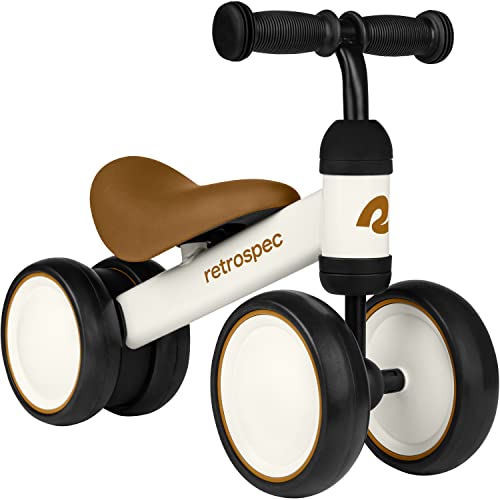
Retrospec’s Cricket Baby Walker Balance Bike targets toddlers aged 12 to 24 months to help develop early motor skills. This four-wheel design keeps feet on the ground, offering control over speed and stopping, which supports safe exploration as kids begin to walk and ride. The wheels are scratch-resistant to reduce floor damage and provide secure grip indoors and outdoors. The bike is positioned as a first ride-on toy that can adapt to a child’s growing balance and coordination skills, making it a gentle transition from walking to riding.
Costzon Go Kart for Kids

The Costzon Go Kart offers a four-wheel pedal-powered experience with an adjustable seat and a handbrake for precise stopping. The design emphasizes easy riding with a steering wheel and durable pedals that help build endurance, strength, and coordination without reliance on batteries. The four non-slip wheels provide stability across various surfaces, from asphalt to boardwalks. The seat has two positions to accommodate growing children, and the ergonomic backrest contributes to comfortable, longer sessions of play.
Hauck Hurricane 4 Wheel Go Kart

The Hurricane 4 Wheel Go Kart from Hauck delivers an authentic pedal-powered driving experience with a no-battery requirement. It emphasizes a realistic driving feel and includes an advanced handbrake for smooth, controlled stops. The design focuses on durability with low-profile wheels and reinforced spokes. Eye-catching graphics on the front fairing add style while maintaining functional durability for active kids who enjoy aggressive yet safe play scenarios.
KRIDDO Tricycles 24–48 Months

KRIDDO’s four-wheel toddler trike is designed for ages 24 to 48 months. It emphasizes safety and stability with an improved roll-over prevention design and a wider wheelbase. The ergonomic seat and comfortable grips support early balance and steering development, and the lightweight frame makes it easy for caregivers to transport. The ride-on option fosters confidence and motor skill advancement as children progress toward bigger bikes or go-karts.
Phobby Baby Balance Bike for 12–24 Months

The Phobby balance bike is aimed at 12 to 24-month-olds with a sturdy steel frame and safety-focused design. It features an adjustable soft PU seat, non-slip handle, and a widened wheelbase to offer stability as babies learn balance and coordination. This four-wheel setup provides a stable learning platform before transitioning to pedal bikes, making it a practical early option for families focusing on foundational motor skills.
SEREED Baby Balance Bike, 12–24 Months

The SEREED balance bike targets toddlers in the 12 to 24-month range, with fully widened closed wheels to prevent foot clamping and a 135-degree turning limit to limit tipping. The aluminum alloy frame and non-slip, wear-resistant wheels provide a sturdy, comfortable ride. It supports early balance development and confidence as little riders begin to navigate their surroundings on wheels.
XIAPIA 3-in-1 Toddler Tricycle
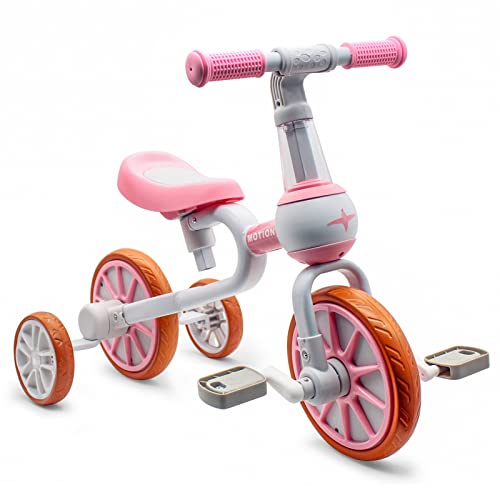
XIAPIA’s 3-in-1 toddler bike offers flexibility for growth, featuring a detachable pedal, training wheels, and a balance bike mode. It accommodates ages 2 to 4 years, with an adjustable seat and a lightweight frame for easy handling. The design emphasizes safety with a U-shaped carbon steel body and EVA wheels designed to absorb shock, making it suitable for both indoor and outdoor play as children transition through different riding modes.
Buying Guide: Key Purchase Considerations
- Age and skill level: Match the rider’s current abilities with the product’s age guidance and ease of use. Balance bikes are great for early balance, while pedal go-karts build power and coordination.
- Safety features: Look for handbrakes, non-slip wheels, secure seating, and guard rails. Four-wheel designs generally offer more stability for beginners.
- Durability and materials: Steel frames and sturdy plastics tend to hold up longer under outdoor use. Consider wheel type and grip for various terrains.
- Adjustability: Seats and pedals that grow with a child can extend the product’s usable life and delay the need for a larger upgrade.
- Maintenance: Simpler designs with fewer electronic components require less ongoing upkeep and reduce the risk of breakdowns.
- Indoor vs. outdoor use: Some models are optimized for smooth surfaces, while others handle rougher pavement or dirt paths.
- Weight and portability: Lighter units are easier for caregivers to move between rooms or cars, while heavier options may feel sturdier for older kids.
- Future growth: Consider how a product will transition as a child ages—whether it supports longer periods of use or provides a gateway to larger bikes or carts.
When selecting a four-wheel ride-on toy, prioritize stability, age-appropriate controls, and a design that encourages safe, active play. The options above span early walking-to-riding progression through more advanced pedaling experiences, helping families tailor choices to a child’s developing motor skills and confidence.