Discover top alphabet toys designed to boost letter recognition, phonics, and early reading for 4-year-olds. The selected products emphasize safe wooden pieces, interactive play, and open-ended learning that keeps little learners engaged. From memory-matching puzzles to fishing games and magnetic mazes, these options support fine motor skills and cognitive development while making letter exploration enjoyable for preschoolers and kindergartners alike.
| Product | Brand | Key Feature |
|---|---|---|
| BEESTECH Alphabet ABC Learning | Beestech | Wooden letters on flash cards for word and letter learning |
| Magnetic Wooden Fishing Game | NASHRIO | Colorful letters and numbers with a magnetic fishing rod |
| Melissa & Doug Self-Correcting Alphabet Puzzle | Melissa & Doug | 52-piece self-correcting wooden alphabet puzzle |
| School Zone Go Fish Alphabet Game Cards | School Zone | Letter recognition with engaging animal imagery |
| VTech ABC Learning Apple | VTech | 26 light-up letter buttons with phonics and melodies |
BEESTECH Alphabet ABC Learning Educational Toys

Designed for ages 2 to 5, this wooden letter set uses flash cards that pair with removable letters. Children place the correct wooden letters on top of each card, reinforcing word-building and letter recognition through hands-on activity. The letters are crafted from strong wood with smooth, rounded edges for safety, and a durable storage bag helps keep pieces organized for quick cleanups and portable play.
Magnetic Wooden Fishing Game Toy for Toddlers
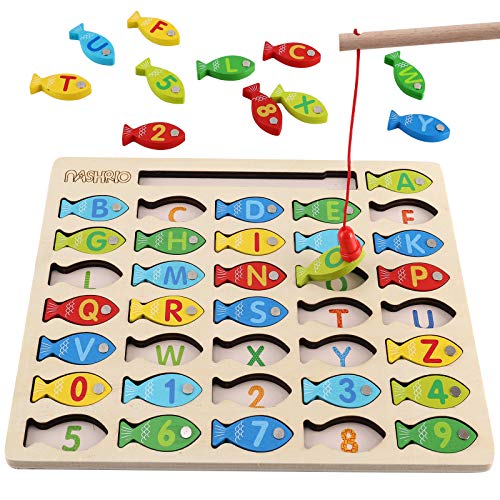
This interactive fishing game blends letters and numbers into a lively challenge. A wooden board features fish pieces with letters and numbers, and kids use a magnetic fishing rod to catch them. The activity promotes color and letter recognition, early math exposure, and fine motor control. Crafted from well-polished wood with non-toxic dyes, it emphasizes safety and durability for everyday play.
Melissa & Doug Self-Correcting Alphabet Puzzle

With 52 wooden puzzle pieces, this set features capital and lowercase letters paired with labeled images. Each piece only fits its correct match, encouraging trial-and-error exploration and confidence through hands-on discovery. The included sturdy storage box makes portability easy, supporting open-ended learning that supports vocabulary growth and letter merging skills without screens.
School Zone Go Fish Alphabet Game Cards

This preschool-to-kindergarten game uses Go Fish-style play to strengthen letter recognition. Card illustrations feature bold letters and playful animals, aiding quick identification and recall. The game can be adapted for cooperative play, making it suitable for small groups and improving social interaction while reinforcing alphabet knowledge.
VTech ABC Learning Apple
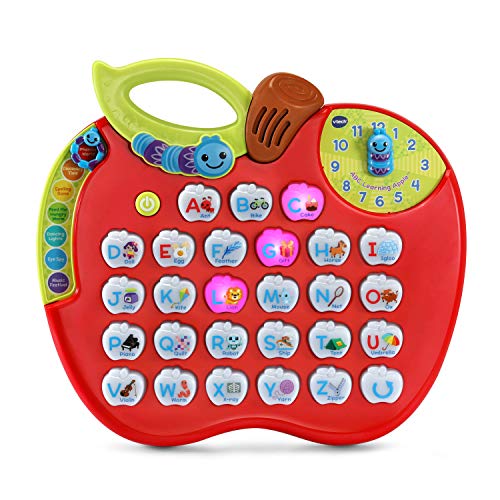
Eight learning activities introduce letters, phonics, words, and time concepts. With seven play modes, the device scales to a child’s progress, and a quiz mode reinforces what has been learned. The 26 light-up letter buttons announce names and sounds, and the object-starting-letter feature supports quick associations. Melodies and sound effects add an engaging multisensory layer to early literacy.
Buying Guide: Key Considerations for Alphabet Toys
Intended age and developmental stage: Choose toys that align with a child around 4 years old, offering appropriate challenges without frustration. Look for items that combine literacy skills with fine motor practice and safe, kid-friendly materials.
Learning approach: Consider a mix of phonics, letter recognition, and word-building activities. Open-ended play supports creativity, while structured puzzles build confidence through progressive mastery.
Durability and safety: Wooden and non-toxic materials with rounded edges are preferred for young children. Check for sturdy construction, smooth finishes, and pieces that won’t easily break or pose choking hazards.
Portability and storage: Toys that come with storage bags or boxes help keep small parts organized and portable for travel or classroom use. Portability supports frequent practice in different settings.
Engagement and age-appropriateness: Interactive elements like lights, sounds, and tactile components keep a child engaged. Ensure the content is suitable for a 4-year-old’s cognitive level to avoid frustration or boredom.
Brand reliability and safety certifications: Repute brands with clear safety standards and durable designs. Non-toxic finishes and child-safe materials are essential for regular use by preschoolers.