Choosing a balance bike helps littlest riders learn balance, steering, and confidence before transitioning to a pedal bike. The following five models are selected for durability, ease of use, and kid-friendly customization options. Each product supports early riding skills with tool-free adjustments, sturdy frames, and engaging features that keep kids motivated to ride.
Overview of chosen products:
| Product | Brand | Key Features |
|---|---|---|
| SEREED Toddler Balance Bike 2 Year Old | SEREED | Sturdy carbon steel frame, tool-free seat & handlebar adjustments, personalization plate with stickers |
| Youthkkee 12 Inch Toddler Balance Bike | Youthkkee | Pedal-free design, low center of gravity, adjustable seat, durable construction |
| KRIDDO Toddler Balance Bike 2 Year Old (White) | KRIDDO | Customizable plate, dual bearing wheels, adjustable seat & handlebar |
| Gotrax KS12 Balance Bike | Gotrax | LED lighting, adjustable seat & handlebar, lightweight frame, flat-free tires |
| Bobike Toddler Balance Bike (Green) | Bobike | Adjustable seat & handlebar, durable carbon steel, quick assembly |
These selections reflect a balance of age-appropriate sizing (roughly 2–5 years), easy adjustments, and features that support safe, confident practice both indoors and outdoors. Each entry links to Amazon for quick shopping, while the article below compares what makes each bike stand out and how to choose the right one for your child.
SEREED Toddler Balance Bike: Starter Balance & Personalization

The SEREED balance bike is designed for toddlers transitioning from stroller walking to independent riding. It features a wide carbon steel frame and a 12.6 inch starting seat height, with a safe footrest pad and soft saddle. A quick-release mechanism lets parents adjust seat height (12.6 to 17.1 inches) and handlebar height (19.6 to 22.5 inches without tools), simplifying growth with your child. The no-pedal design supports learning balance and steering while a bonus plate and stickers enable kids to personalize their ride.
Key considerations:
- Appropriate for ages roughly 2–5 with weight support up to 110 lbs.
- Tool-free adjustments reduce setup time and increase reliability during growth spurts.
- Personalization adds a fun, engaging element that encourages practice.
Youthkkee 12 Inch Toddler Balance Bike

Youthkkee emphasizes balance and coordination with a pedal-free design and a low center of gravity for stability. The bike features an adjustable seat height to accommodate growing children, while its sleek, ergonomic design aims to promote a natural riding posture. Durability is highlighted by a sturdy frame capable of handling daily use, including bumps and minor tumbles as kids practice balance and steering.
Key considerations:
- Low-CG design helps new riders feel secure during their initial glides.
- Tool-free adjustments support quick height changes as kids grow.
- Durable construction supports active, long-lasting outdoor play.
KRIDDO Toddler Balance Bike (White)

KRIDDO’s 12-inch push bicycle combines a kid-friendly design with safety and customization. It includes a customizable plate with multiple sticker options and a 110 lb weight capacity, ensuring durability during early riding adventures. Dual bearing wheels promote smoother gliding, while the adjustable seat (14.17″–18.5″) and handlebars (20.08″–21.65″) keep pace with a child’s growth from ages 2 to 5.
Key considerations:
- Customizable plate keeps kids engaged and excited about riding.
- Dual bearing wheels provide smoother motion with less effort.
- Wide range of adjustability supports longer usability as children grow.
Gotrax KS12 Balance Bike: Light, Bright, and Ready to Ride

Gotrax KS12 offers a balance-focused ride with fun LED lighting. It is designed for toddlers ages 2 and up, helping them practice walking, gliding, and steering in a safe environment. The bike grows with your child via adjustable seat (16.5″ to 18.3″) and handlebar (22.8″ to 26″), and includes a bell along with a thicker seat cushion and silicone handlebars for comfort. The lightweight, durable frame supports a smooth, controlled ride on various surfaces.
Key considerations:
- LED lights add visual appeal and engagement, particularly in low light.
- Adjustable components ensure a longer usage window as children grow.
- Lightweight design helps parents supervise and transport the bike easily.
SEREED Baby Balance Bike: Four-Wheel Stability First Steps
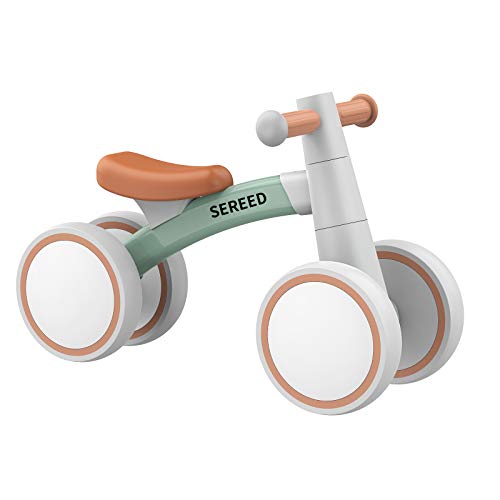
This model focuses on the youngest riders, ages 12–24 months, with a four-wheel design for stability as babies learn to balance. It emphasizes safe, feet-friendly riding, featuring an aluminum alloy frame, non-slip handlebars, and a softly padded seat. The design includes a limited turning radius (135°) and gravity steering to minimize overturn risks while indoors or outdoors. It is a gentle introduction to balance and coordination before walking or running.
Key considerations:
- Ideal for very young toddlers building early balance and confidence.
- Wide, non-slip wheels reduce floor damage and provide stable support.
- Lightweight and compact design suitable for indoor use and small spaces.
Buying Guide: How To Choose The Best Balance Bike For Your Child
When selecting a balance bike, consider size, weight capacity, adjustability, and safety features. The following perspectives help parents compare options and identify the most suitable model:
- Age and height alignment: Choose a bike with an adjustable seat and handlebar to accommodate growth. The ideal setup allows the child to place both feet flat on the ground when seated, with a slight knee bend.
- Frame and materials: Look for sturdy, lightweight frames such as carbon steel or aluminum alloys. A robust design withstands active play and occasional tumbles without compromising safety.
- Safety features: Soft saddles, non-slip grips, and a low center of gravity minimize accidents. Four-wheel designs can offer extra stability for the youngest riders, while larger, higher capacity bikes suit older children.
- Maintenance and assembly: Tool-free adjustments save time and reduce the risk of improper setup. Quick assembly and simple maintenance are practical considerations for busy families.
- Customization and science of fun: Plates, stickers, and color options engage children and can motivate more practice, especially during early learning phases.
Positioning and usage scenarios:
- Indoor learning: A smooth surface is ideal for initial balancing practice, with adjustable components to fit a growing child.
- Outdoor exploration: Ensure tires and frames can handle mild outdoor terrain and provide enough grip for confident steering.
- Transition to pedals: Start with a balance bike to teach balance and steering; progress to pedal bikes when the child consistently glides and stops with control.
Performance expectations and long-term value vary. For younger toddlers, models with four wheels or extra stability may be preferable, while older preschoolers may benefit from adjustable seat heights and dual-bearing wheels that offer smoother rides. Evaluating these elements against your child’s current skill level and growth trajectory will help identify the best balance bike option.