Balance boards offer a versatile way for kids to move, learn, and grow. This guide highlights five top picks that combine safety, durability, and engaging play. Each option supports coordination, core strength, and imaginative exploration—plus they’re suitable for homes, classrooms, and therapy settings. Explore features, suitability for different ages, and practical considerations to help you choose the right balance board for your child.
| Product | Brand | Key Benefit |
|---|---|---|
| Gentle Monster Wooden Wobble Balance Board, 35 Inch | Gentle Monster | Versatile play, vestibular development |
| Amazon Basics Wood Wobble Balance Trainer Board, Black | Amazon Basics | Core strength and stability |
| Balance Board For Kids, 20 Inch Maze Rocking Seesaw | wangdahua | Integrated maze for focus and coordination |
| Balance Board Kids, Natural Wood Open Ended Toy | PLAY-IN-JOY | Open-ended play and high-weight durability |
| Acorn Avenue Non Slip Balance Board, 35 Inch | Acorn Avenue | Soft floor protection, multi-use play |
Gentle Monster Wooden Wobble Balance Board
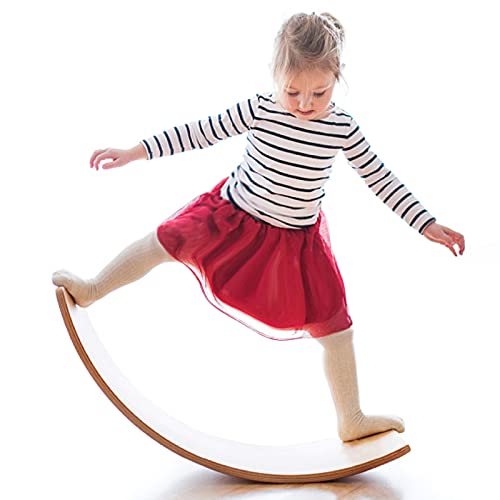
The Gentle Monster balance board provides a broad platform that invites imaginative use: as a swing, bridge, or race track, among many other roles. It supports vestibular development, which is key for a child’s overall balance and spatial awareness. The natural wood construction emphasizes durability and a warm aesthetic for classrooms or playrooms. Designed to grow with a child, it also accommodates adults seeking light balance work or yoga-style stretches. This 35-inch rocker balances versatility with a focus on steady, controlled movements to minimize slips and missteps during play.
Amazon Basics Wood Wobble Balance Trainer Board
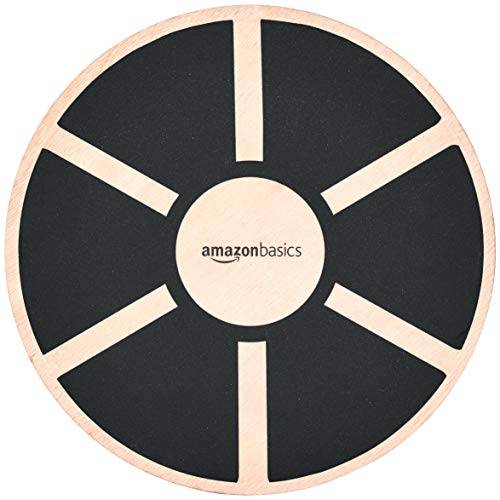
This black balance board emphasizes core strength and stability, suitable for a variety of exercises from push-ups and planks to standing balance poses. With a solid wood top, it supports up to 265 pounds and features a non-slip surface for secure footing. The design is straightforward, making it accessible for younger children while still providing a robust option for older kids and adults who want a compact, reliable balance trainer. It’s well-suited for home gyms or classroom spaces where predictable performance matters.
Balance Board For Kids, 20 Inch Maze Rocking Seesaw

This 20-inch balance board blends physical activity with a built-in maze game. Children navigate the balls through multiple labyrinth levels, which promotes focus, motor skills, and spatial awareness. The bottom features a non-slip design for stability and a triangular stand that reduces tipping risk. Replacement labyrinth disks add replay value, making it a compelling option for ongoing fitness and cognitive development in kids who enjoy interactive challenges.
Balance Board Kids, Natural Wood Open Ended Toy

This natural wood board emphasizes open-ended play, with potential as a balance trainer, bridge, or vehicle launchpad for toy figures. The 13-layer construction uses birch and beech to provide durability and a smooth finish. Weight tolerance supports both kids and adults for shared play sessions, reducing friction between siblings and encouraging cooperative activities. Smooth edges and careful craftsmanship focus on safety during imaginative use.
Acorn Avenue Non Slip Balance Board

The Acorn Avenue model prioritizes floor protection with a soft felt bottom while delivering a durable wooden rocker experience. Its 35-inch size supports longer play sessions and a variety of movements—from wobbling to jumping to rolling—without harsh impact on floors. Designed with kids in mind, it also serves as a dependable option for gentle therapy sessions or sensory play in a classroom setting. The combination of stability and soft ground contact helps ensure safer exploration.
Buying Guide: Key Purchase Considerations
- Age and weight range: Look for boards that specify age suitability and maximum load to ensure safe use by your child and potential family members.
- Material and finish: Beech or birch wood with non-toxic finishes offers durability and safety. Smooth edges and a stable base reduce the risk of scrapes or slips.
- Surface and grip: A non-slip top surface helps maintain balance, especially on smoother floors. Some models include felt bottoms to protect flooring.
- Open-ended play vs. structured features: Open-ended boards foster imagination, while boards with built-in mazes or multiple configurations add guided play and cognitive challenges.
- Weight capacity and stability: Boards with wider bases, triangular fulcrums, or anti-slip designs tend to be more stable for younger children and for use in classrooms or therapy settings.
- Durability and maintenance: Look for sturdy laminated wood construction and careful grinding to keep surfaces smooth and burr-free for long-term use.
- Safety considerations: Rounded corners, secure fastenings, and non-slip feet help prevent injuries during active play or exercises.
- Space and portability: Consider size (e.g., 20–35 inches) and whether the board is easy to store or move between rooms or outdoor areas.
Choosing the right balance board for kids involves balancing safety, durability, and play value. If possible, pick a model that accommodates different ages and activity levels to maximize long-term use, support developmental goals, and adapt to a variety of spaces—from living rooms to classrooms and therapy clinics.