Parents and educators are increasingly turning to hands-on coding toys to build early tech confidence. The following picks combine interactive play with fundamentals in robotics, electronics, and computer science. Each product supports beginner-friendly learning, from Scratch and block coding to JavaScript and Python-inspired thinking. The list focuses on age-appropriate kits that deliver engaging projects, clear instructions, and scalable challenges for curious 10-year-olds.
| Product | Brand | Key Features |
|---|---|---|
| Teach Tech Mech 5, Mechanical Coding Robot | Snap Circuits | Mechanical coding wheel; mission-based; multiple actions via coding buttons |
| Makeblock mBot Kit | Makeblock | Scratch & Arduino learning; line-follow/obstacle-avoid; easy build |
| Snap Circuits Jr. SC-100 | Snap Circuits | 100+ projects; color manual; safe electrical engineering basics |
| Klutz Lego Gear Bots | Klutz | 8 kinetic LEGO builds; axles, cams, and gears explained |
| Sphero Mini | Sphero | Small programmable ball; drag-and-drop and JavaScript coding |
Note: All options encourage experimentation, logic development, and problem-solving, with varying emphasis on hardware assembly, programming, and hands-on engineering principles.
Teach Tech Mech 5: Mechanical Coding Robot
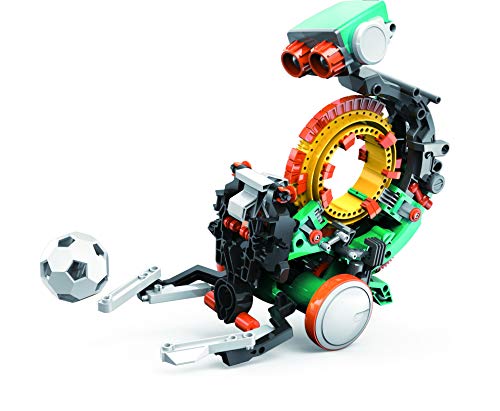
Mech-5 is a one-of-a-kind Mechanical Coding Robot. This mission-based, entry level robot is designed to inspire young engineers to learn about mechanical engineering principles and coding basics. This STEM robot can throw, lift, kick, draw, and more, all by snapping the coding buttons onto the Coding wheel. The hands-on approach helps translate coding concepts into tangible actions, promoting critical thinking and experimental problem-solving.
Makeblock mBot Kit

mBot is an entry-level coding robot designed for learning electronics, robotics, and computer programming. It supports Scratch and Arduino, with clear building instructions that ensure assembly in minutes. Features include line-following and obstacle-avoidance modes, plus rich tutorials that guide kids through coding concepts with practical projects. The kit works with Makeblock apps and mBlock software to extend learning and creativity.
Snap Circuits Jr. SC-100 Electronics Exploration Kit

Snap Circuits Jr. SC-100 opens a world of practical electronics with over 100 projects and 29 components. The kit uses a safe, snap-together design and a full-color project manual to teach foundational circuitry, circuit symmetry, and cause-and-effect reasoning. It’s a robust introduction to engineering thinking, with hands-on projects like alarms, radios, and simple machines that foster confidence in tinkering.
Klutz Lego Gear Bots

Klutz Lego Gear Bots provides an 8-construct pathway using LEGO Technic bricks and papercraft, with a 64-page book that includes STEM content on axles, cams, and gears. Step-by-step instructions help kids build kinetic creatures and understand how everyday machines work. The kit blends hands-on building with explanatory context, supporting iterative experimentation and tinkering mindset.
Sphero Mini
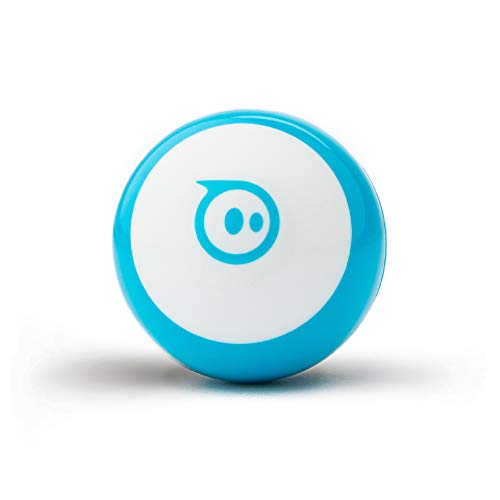
The Sphero Mini packs a ton of fun into a tiny programmable robot. Its gyroscope, accelerometer, and LED lights create a playful learning experience that introduces robotics basics. Coding is available via the Sphero Edu app with drag-and-drop blocks and JavaScript options. Driving modes, obstacle courses, and included accessories foster creative problem solving and gamified practice in a compact form factor.
Makeblock mBot Box With Scratch Coding

Makeblock’s mBot with Scratch Coding Box is designed to simplify coding learning. It includes four engaging projects—line-following, obstacle avoidance, remote control, and more—paired with clear explanations, visuals, and coding tips. The unboxing experience is straightforward, and the setup aims to be completed in roughly 15 minutes, making it a practical entry point for young coders who enjoy quick, visible results.
Makeblock mBot2 Coding Robot

mBot2 introduces AI-focused play with Scratch and Python programming. It offers multiple operational modes, including drive, drawing, and music, with long battery life and multiple control options (Bluetooth, USB, WIFI). The learning path includes 24+ coding cases and 8+ courses, designed to scale from beginner to more advanced projects while emphasizing practical STEM skills and problem-solving.
Playz Coding And Computer Science Kit

This kit introduces binary codes, encryption, algorithms, and pixel art through hands-on puzzles. It blends tangible activities with foundational CS concepts, suitable for kids who enjoy puzzle solving and game-like challenges. The 30+ tools and clear instructions offer extended, low-tech coding exploration without requiring a computer, making it a versatile classroom or home activity.
Buying Guide: Key Purchase Considerations
- Age and skill level: Look for sets labeled for ages 8-12 or beginner-friendly interfaces to ensure appropriate challenge without frustration.
- Programming path: Prefer kits offering Scratch or block-based coding first, with options to graduate to Python or JavaScript as skills mature.
- Hardware complexity: Balance build time with learning depth; quick-assembly kits deliver faster results, while modular kits support deeper exploration.
- Project variety: Choose kits that cover electronics, robotics, and problem-solving to develop a broad STEM foundation.
- Safety and support: Ensure sturdy construction, clear manuals, and accessible tutorials or customer support for troubleshooting.
- Expansion potential: Some kits pair with apps or additional modules, enabling ongoing learning and extended play value.
- Portability and storage: Consider compact kits for travel or limited space, especially for home schooling environments.
Purchasing considerations across these options emphasize gradual skill-building, hands-on experimentation, and opportunities to progress from simple projects to more complex challenges. The right choice depends on the child’s interests—whether they lean toward building gadgets, programming, or robotics competitions—and the preferred balance of screen time versus hands-on tinkering.