The right cup can support a child’s growing independence and transition from bottle to cup. This guide highlights dependable sippy cups designed for around 12 months and up, focusing on spill resistance, ease of use, and cleaning practicality. Whether you need a transition cup with handles, a straw design, or a 360-degree drinking edge, these picks cover several approaches so caregivers can choose what fits their child best. All selections emphasize safety, BPA-free materials, and durability for everyday use by busy families.
style=”display:none;”>Summary Table of Chosen Products
| Product | Brand | Capacity | Key Benefit |
|---|---|---|---|
| Munchkin Sippy Cup (2 Pack) 7 oz | Munchkin | 7 oz | Spill-proof 360 edge, handles, spoutless |
| Dr. Brown’s Milestones Straw Cup | Dr. Brown’s | 9 oz | Weighted straw for any-angle sipping |
| Infantino My 1st Tumbler | Infantino | 9 oz | Leak-resistant straw, easy-grip handle |
| NUK Learner Cup | NUK | 10 oz | Spill-proof, easy transition from bottle |
| Munchkin 10 oz Sippy Cup (2 Pack) | Munchkin | 10 oz | 360-degree spill protection, auto-seal |
Munchkin Sippy Cup 7 Ounce, 2 Pack
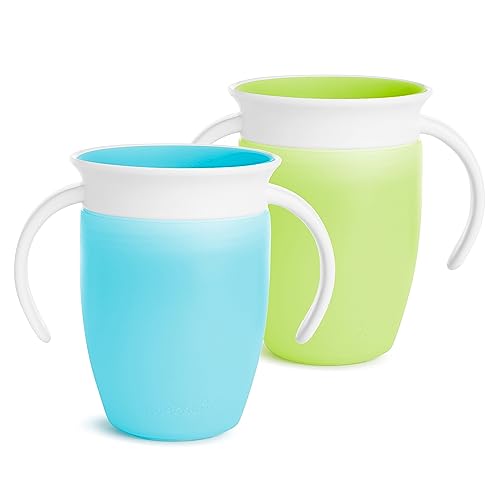
Munchkin’s 7-ounce Sippy Cups are designed for transition periods as toddlers begin to explore independent drinking. The set includes two cups featuring a dentist-recommended spoutless design that allows drinking from anywhere around the rim, mimicking a regular cup. A 360-degree drinking edge helps minimize spills as little ones learn how to use a cup. Transition handles on the cups offer a secure grip for growing hands, supporting motor skills while encouraging self-feeding habits.
Munchkin Sippy Cups for Toddlers 10 Ounce

This 2-pack of 10-ounce Munchkin Sippy Cups is tailored for toddlers ready to graduate to larger portions. The 360-degree spill-proof design seals automatically when not in use, reducing mess during play, travel, or daycare. The cups’ spoutless format helps promote natural mouth muscle development by allowing sipping from any edge. These features collectively support a smoother transition from bottle to regular cup as toddlers grow more confident and independent with their drinking.
Infantino My 1st Tumbler

Infantino’s My 1st Tumbler is a silicone-based, spill-resistant sippy designed for on-the-go use. It holds 9 ounces and features a built-in silicone straw with a hidden valve that helps control flow while minimizing leaks. The soft tip is gentle on tender gums, and the design includes easy-grip handles for little hands. The cup’s simple maintenance and BPA-free materials make it a practical option for daily use, whether at home, daycare, or during car rides.
NUK Learner Cup 10 oz
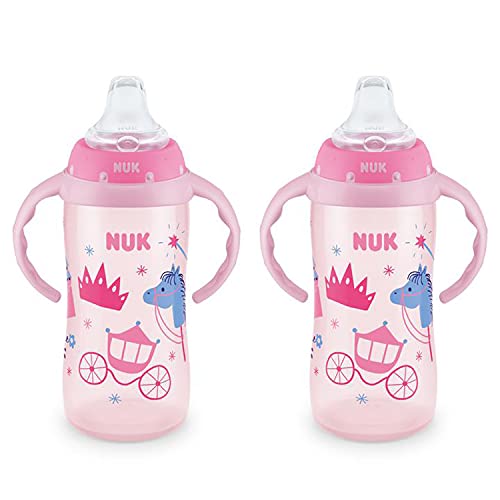
The NUK Learner Cup is an excellent option for babies transitioning away from bottles. It features an easy-grip handle design, which helps babies hold the cup confidently as they learn to drink. The cup is spill-proof and uses a soft spout, designed to be gentle on gums while encouraging sipping. Removability of handles accommodates growth, and the low-profile design fits in most cup holders or diaper bags. This cup is BPA-free and suitable for ages around 8 months and older, aligning with early toddler development stages.
Legendairy Milk Honey Bear Straw Cup

Legendairy Milk’s Honey Bear Straw Cup is designed to teach babies and toddlers to sip from a straw while fostering independence. The 8-ounce cup uses food-grade silicone and a semi-translucent design that allows caregivers to monitor liquid flow. The transition from breast or bottle to cup is a key focus, with a shape that’s easy for small hands to grasp. This cup is BPA-free and phthalate-free, emphasizing safety and durability for early self-feeding experiments.
Buying Guide: Key Purchase Considerations
- Age appropriateness: Choose a cup labeled for your child’s age range, typically starting around 6-8 months for straw cups and 12 months for transition cups.
- Spill prevention: Look for 360-degree drinking edges, spill-proof lids, or weighted straws to minimize mess during busy days.
- Grip and handling: Ergonomic handles or easy-grip shapes support early motor skills and independent drinking.
- Cleaning requirements: Cups with fewer detachable parts are easier to clean; dishwasher-safe designs save time for caregivers.
- Materials and safety: Prioritize BPA-free plastics or silicone; ensure the product is labeled as dishwasher-safe and durable for daily use.
- Transition strategy: If your child is moving from a bottle, consider a cup with removable handles or a longer-pivot straw design to accommodate growth.
- Maintenance and durability: Reusable cups with robust seals and sturdy construction reduce the need for frequent replacements and avoid leaks.
- Travel considerations: Compact designs, leak-proof features, and compatibility with car cup holders can simplify outings.
Additional Purchase Considerations
- Multiple-cup sets versus single units: Sets provide consistency across meals and allow replacements if one cup is missing or damaged.
- Flavor and odor retention: Materials like silicone and certain plastics are less prone to absorbing flavors or odors, keeping drinks fresh for longer.
- Durability in shared environments: For daycare or shared spaces, choose cups with durable exteriors and secure lids to withstand frequent use.
- Replacement parts availability: Some brands offer replacement straws or lids, extending the life of the cup when components wear out.
- Allergen considerations: For households with allergies, confirm that cups are free from common allergens and follow manufacturer guidelines for cleanliness.