The following article highlights popular dirt bikes and mini motocross options suitable for nine-year-old riders. It covers electric and gas-powered choices, safety features, and riding considerations to help parents choose a bike that fits a child’s skill level and local terrain. Each product section includes a concise overview, key features, and how it supports developing riding confidence. A buying guide at the end compares important factors like power, speed, weight limits, and maintenance needs to aid decision-making.
| Product | Power Type | Top Speed (approx.) | Recommended Age | Notes |
|---|---|---|---|---|
| Razor MX350 Dirt Rocket | Electric | Up to 14 mph | 8–12 | Low-weight, beginner-friendly with soft grips |
| FRP FX40-Ogemaw | Gas 40cc | Up to 20 mph | 6–10 | One-pull start; 4-stroke convenience; front & rear disc brakes |
| Razor MX400 | Electric | Up to 14 mph | 8–12 | Slightly larger battery size; durable frame for learning |
| Hiboy DK1 | Electric | Up to 15.5 mph | 3–10 | Three safe speed modes; long battery life |
| ELEMARA Electric Dirt Bike | Electric | Up to 15.5 mph | 6–12 | LED lights and Bluetooth; sturdy 12″ tires |
Razor MX350 Dirt Rocket Electric Motocross Bike

The Razor MX350 is a compact electric dirt bike designed for younger riders transitioning from smaller ride-ons. It features a dual-crown fork and soft rubber grips to enhance comfort during longer sessions. The bike’s rear braking system provides straightforward stopping power, which is crucial for developing control on varied terrain. With a maximum speed around 14 mph, it offers a gentle challenge suitable for beginners and improving riders while maintaining safety through low-velocity operation and a kid-friendly geometry.
FRP FX40-Ogemaw 40CC Dirt Bike

The FRP FX40-Ogemaw offers a 40cc four-stroke engine with no oil mixing, making maintenance simpler for families. It reaches up to about 20 mph, providing a controlled yet engaging experience for learning riders. The bike emphasizes safety with front and rear disc brakes and a user-friendly starting system designed for young hands. This model is well-suited for kids who are ready to move beyond entry-level electric bikes while still focusing on safe acceleration and braking practice.
Razor MX400 Dirt Rocket Electric Bike
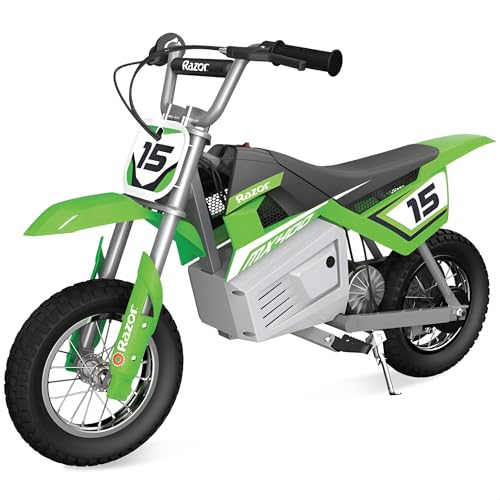
The Razor MX400 is a slightly larger electric option designed for riders who are developing more advanced control. It features a 350-wolt motor delivering up to 14 mph, with a long-lasting battery and soft rubber grips. The ride is complemented by a sturdy frame, rear hand brake, and a double crown fork for stability on uneven surfaces. The MX400’s design supports more confident braking and sharper steering as kids gain experience handling different terrains.
Hiboy DK1 36V Electric Dirt Bike
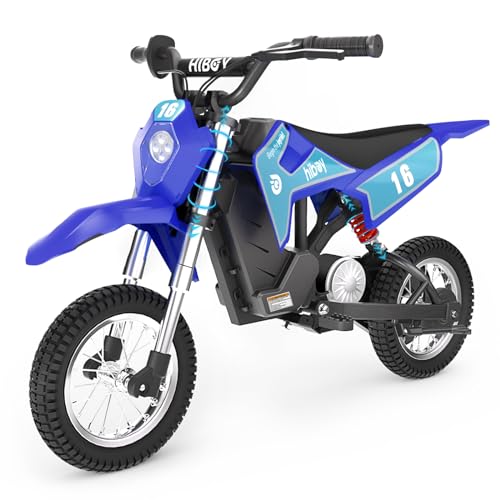
The Hiboy DK1 provides a quieter ride thanks to a high-strength shock-absorbing setup and hydraulic fork. It offers three safe speed modes (Low, Medium, High) to align with a child’s skill progression. A long-range 36V battery enables extended sessions, while the bike’s overall geometry emphasizes balance and control. It’s a practical option for parents who want a kid-friendly bike that can adapt as a rider gains confidence on trails or backyard tracks.
ELEMARA Electric Dirt Bike

The ELEMARA model blends style with practical performance, featuring a 350W electric motor, speeds up to 15.5 mph, and a 12″ tire setup designed to absorb shocks on varied surfaces. LED tail lights and a power display add a touch of realism and convenience for monitoring riding status. The bike’s 150 lb weight capacity broadens its fit for a wider range of young riders, while a chain-driven motor and twist-grip throttle offer familiar controls for kids transitioning from basic ride-ons to motorized dirt bikes.
Buying Guide
Key purchase considerations for dirt bikes geared toward nine-year-olds include power and speed, rider weight limits, and ease of maintenance. Electric models typically offer gentler acceleration and quieter operation, making them ideal for neighborhoods and shared spaces, while gas-powered bikes can deliver higher top speeds and longer play sessions but require more ongoing maintenance and fuel handling.
- Power and speed: Match the bike’s top speed to your child’s comfort level and riding area. Starts at low speeds help beginners build balance and braking technique.
- Weight limit and rider size: Ensure the bike can safely support the child’s weight and height, with room to grow.
- Safety features: Look for reliable brakes (front and rear), robust frame construction, shock absorption, and controllable throttle response. Three-speed modes or adjustable power are helpful for progression.
- Maintenance and durability: Gas bikes require fuel and oil familiarity; electric bikes often need battery care and charging routines. Consider how easy it is to source parts and service nearby.
- Terrain versatility: For varied terrains, prioritize bikes with sturdy suspension, protective body panels, and tires designed for dirt or gravel.
- Safety gear: Always pair a dirt bike with a properly fitting helmet, knee and elbow pads, gloves, and appropriate riding apparel.
Compared options differ in weight, power delivery, and maintenance needs. Electric bikes generally provide a gentler introduction with simpler maintenance, while gas-powered models can offer higher performance for riders who are ready for more challenge. Consider trial rides on a safe, contained track to gauge a child’s comfort, balance, and braking responses before committing to a specific model.
All five bikes highlighted here meet general safety expectations for beginner and intermediate riders, with features designed to help nine-year-olds grow their confidence on dirt tracks, backyards, or community trails. Evaluating each option against your child’s skill, the riding environment, and your willingness to handle maintenance will help identify the best fit.