Finding engaging educational toys for 11-year-olds can boost science curiosity, problem solving, and creativity. The following selected items blend STEM learning with hands-on play to support school-age learners. Each product is chosen for age-appropriate challenges, safety, and long-term engagement.
Summary of Selected Products
| Product | Brand | Focus Area | Key Benefit |
|---|---|---|---|
| STEM 13-in-1 Education Solar Power Robots Toys | Bottleboom | Solar robotics, engineering | Hands-on building with solar power and multiple configurations |
| Smartivity DIY Robotic Mechanical Hand | Smartivity | Mechanics, engineering design | Step-by-step DIY project with replacement parts |
| National Geographic Magic Chemistry Set | Blue Marble | Chemistry, science magic tricks | 10 magical experiments plus educational guide |
| Klutz Lego Gear Bots | Klutz | Physics, gears, engineering | Kinesthetic build with a 64-page guide |
| Henoda Robot with APP or Remote | Henoda | Robotics, programming, remote control | 468+ pieces and multiple control modes |
STEM 13-in-1 Solar Power Robots Toys

The Bottleboom 13-in-1 Solar Robot Kit introduces 11-year-olds to solar energy and modular robotics. Following the user’s manual, kids can build 13 different robots that move on land and water, with gears, plates, tires, and shafts included. The kit emphasizes learning through play, with non-toxic ABS components and smooth edges for safe handling. The open-ended design supports progression from simple to more complex builds, reinforcing problem solving and basic engineering concepts. A strong choice for家庭 STEM projects and classroom demonstrations alike.
Smartivity DIY Robotic Mechanical Hand

Smartivity’s mechanical hand kit invites 11-year-olds to build a functioning robotic hand with a comprehensive, instruction-driven experience. The project encourages screen-free learning while developing core skills in engineering and physics. It comes with a lifetime spare-parts program to minimize interruptions during play. Clear, kid-friendly steps foster confidence in tackling multi-part assemblies, while the hands-on design demonstrates concepts like levers and linkages in a tangible way.
National Geographic Magic Chemistry Set
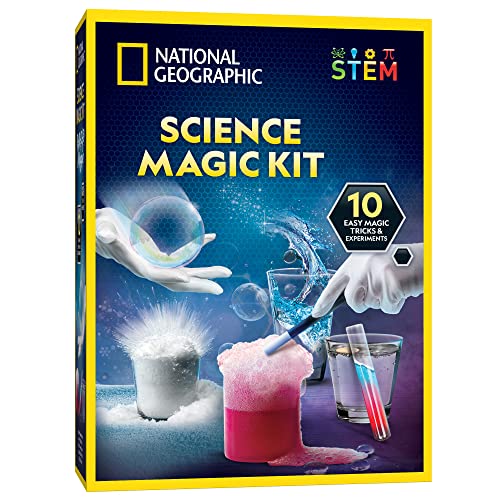
National Geographic’s Magic Chemistry Set blends science experiments with theatrical magic tricks. The kit includes 10 mind-blowing demonstrations that “wow” peers while teaching real chemistry concepts. An illustrated, kid-friendly guide explains the science behind each effect, helping 11-year-olds connect magic tricks to observable chemical reactions. The design supports curiosity-driven learning and fosters scientific communication as kids explain outcomes to others.
Klutz Lego Gear Bots

Klutz Lego Gear Bots merges LEGO Technic elements with a 64-page book that explains gears, axles, and cranks through hands-on building. This kits teaches fundamental physics and engineering concepts as kids construct 8 kinetic creatures. The printed guide provides step-by-step instructions while integrating STEM content with real-world applications—perfect for independent projects or collaborative learning.
Henoda Robot Toys with APP or Remote Control
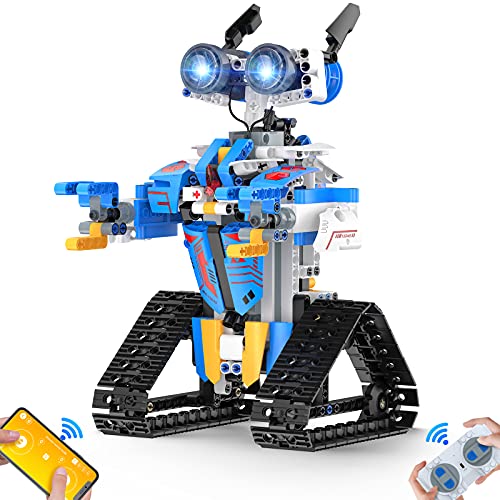
Henoda’s robot set offers 468+ pieces for building a programmable STEM toy that responds to a companion app or remote control. The kit supports multiple control modes—path, voice, gravity-sensor, and STEM programming—alongside a 2.4 GHz remote option. With 20-meter remote range and rotating joints, the build encourages experimentation with motion, control systems, and basic coding logic, making it suitable for curious 11-year-olds ready for more advanced robotics.
The Klutz Book of Paper Airplanes
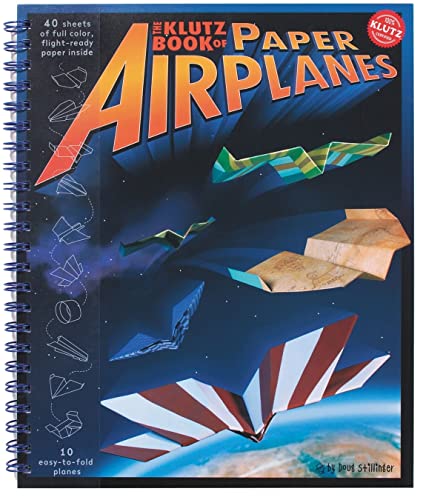
The Klutz Paper Airplanes kit offers a classic, hands-on activity that builds design and aerodynamics awareness. The kit includes 40 sheets of patterned paper and a 55-page, spiral-bound guide with step-by-step folding instructions. It complements high-tech options with a tactile, inexpensive way to explore flight principles and creative experimentation.
Buying Guide: Key Purchase Considerations for 11-Year-Olds
- Learning goals: Match kits to core interests—robotics, chemistry, or mechanical engineering—to sustain motivation and curiosity.
- Age-appropriateness: Look for projects that challenge without overwhelming, providing tiered difficulty or expandability as skills grow.
- Safety and materials: Prioritize non-toxic components, rounded edges, and clear safety instructions for growing learners.
- Instructional design: Favor kits with step-by-step guides, visual explanations, and concise theory that connects to hands-on practice.
- Longevity and expansion: Consider sets that offer multiple builds, replacement parts, or complementary add-ons to extend play value.
- Screen-time balance: Include options that promote offline, unplugged activities alongside digital or app-assisted tools for a balanced approach.
Choosing a mix of projects that combine physical construction, scientific inquiry, and creative problem solving provides a well-rounded development path for 11-year-olds. The highlighted products cover solar robotics, mechanical hands, chemistry demonstrations with a magical flair, gearing concepts, and programmable robotics to address a range of interests and skill levels. This variety supports independent exploration as well as collaborative learning experiences with family or classmates.