Choosing toys that blend play with early-learning concepts helps preschoolers build foundational skills in math, literacy, and problem-solving. The following selections emphasize counting, language, creativity, and pretend play, all tailored for young girls at the 3–4 year stage. Each pick includes age-appropriate activities, durable designs, and engaging visuals that encourage exploration and independent thinking.
| Product | Brand | Key Learning Focus | Age Range |
|---|---|---|---|
| MOTREE Preschool Learning Toys for Toddlers 2-4 | MOTREE | Numbers, counting, basic arithmetic, fine motor skills | 2-4 |
| Wonder Forge Disney Princess Matching Game | Wonder Forge | Memory, focus, word recognition through visuals | 3+ |
| LeapFrog 2-in-1 LeapTop Touch, Pink | LeapFrog | ABCs, numbers, early technology literacy | 2-5 |
| NARRIO Educational Toys, Matching Letter Game | NARRIO | Letters, word recognition, spelling basics | 4-8 |
| Meland Doctor Kit for Girls | Meland | Pretend play, role play, health literacy | 3-6 |
MOTREE Preschool Learning Toys for Toddlers

The MOTREE set provides a hands-on math experience designed for early learners. It includes a wooden finger board, 13 colorful number blocks, 8 flash cards, and a holder. The design supports counting, simple addition and subtraction within 10, and visualizing numerical concepts. As a Montessori-inspired tool, it emphasizes sensory exploration and fine motor development, helping young children connect numeric ideas with tangible objects. This kit is suitable for home use or classroom activities and can serve as a primary math introduction for preschoolers.
Wonder Forge Disney Princess Matching Game
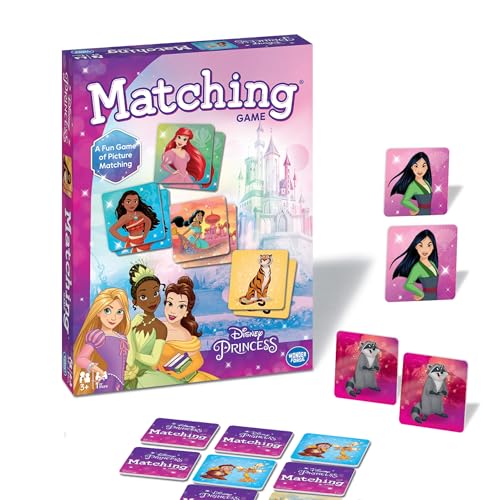
This memory-based game features popular Disney Princess characters to engage young learners in focused, age-appropriate play. Simple rules allow quick understanding and participation during family game nights or classroom centers. The set supports cognitive development by improving attention, pattern recognition, and short-term memory, while the familiar princess imagery helps maintain interest for girls who enjoy storytelling and imaginative play.
LeapFrog 2-in-1 LeapTop Touch, Pink
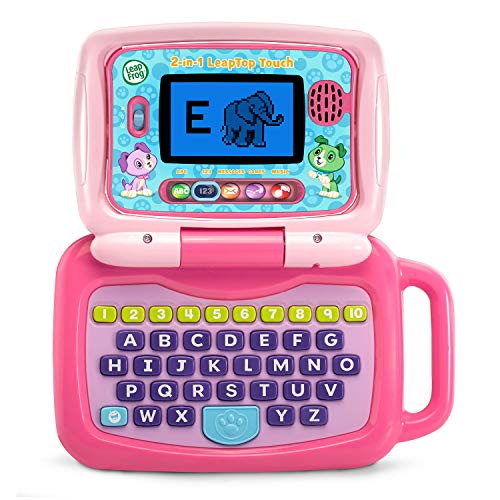
This versatile learning toy combines laptop and tablet modes, providing a gateway to alphabet exploration and number recognition. With five distinct learning modes—ABCs, numbers, games, music, and messages—it supports early literacy and numeracy while offering interactive activities that hold a child’s attention. The convertible design encourages sustained engagement and can adapt as a child’s skills develop, making it a practical choice for home learning setups and travel-friendly learning.
NARRIO Matching Letter Game

The NARRIO letter game is built around letter recognition, word-building, and early reading concepts. It includes flash cards with 60 words, 8 letter cubes, and a tray to organize activities. The materials support visual and tactile learning, helping children connect letters to sounds and simple words. The game format also allows for interactive, cooperative play, which can reinforce social and communication skills in addition to literacy.
Meland Doctor Kit for Girls

The Meland doctor kit invites imaginative play with a comprehensive set of medical tools, a carrying bag, a stethoscope, thermometer, and more. It supports role-play scenarios that teach basic health concepts, empathy, and procedural familiarity. This toy can help reduce anxiety about visits by simulating a supportive medical environment, fostering confidence and caregiving behaviors in young children who enjoy helping others and exploring anatomy through pretend play.
Buying Guide
- Learning goals: Choose toys that align with current developmental milestones—early literacy (letter recognition, simple words), numeracy (counting, basic addition), and fine motor skills (manipulating blocks, placing letters).
- Age appropriateness: Confirm the recommended age range and assess whether the child tends to enjoy hands-on manipulation, storytelling, or screen-free play.
- Durability and safety: Look for sturdy materials, rounded edges, and non-toxic finishes. For younger preschoolers, choose tools with larger pieces to minimize choking hazards.
- Open-ended vs. structured play: A mix supports creativity and guided learning. Open-ended toys encourage exploration, while structured games teach following instructions and rules.
- Social and family engagement: Cards, memory games, and cooperative kits encourage shared play, which can strengthen language skills and social interactions among peers and family members.
- Storage and portability: Consider toys with organized storage or compact designs to facilitate easy cleanup and travel readiness.
- Language and inclusivity: If possible, select toys with clear visual cues and bilingual or visually intuitive elements to support varied learning styles.
Across these options, parents and educators can balance math-centric manipulatives with literacy-focused games and imaginative play. The chosen products provide developmentally appropriate challenges and opportunities for repeated practice, helping 3- to 4-year-old girls build confidence as they acquire essential early-learning skills.