Finding engaging, science-driven toys for a curious 9-year-old can boost critical thinking, problem solving, and hands-on learning. The selected products below emphasize STEM concepts, creativity, and screen-free play, making them great gifts for budding engineers and scientists. Each item offers interactive building, experimentation, or strategic challenges designed to entertain while educating.
| Product | Brand | Key Focus |
|---|---|---|
| Klutz Lego Gear Bots Science/STEM Activity Kit for 8-12 years | Klutz | LEGO Technic builds, gears, axles, cams |
| Smartivity DIY Robotic Mechanical Hand | Smartivity | DIY robotics, mechanical hand, STEM learning |
| STEM 13-in-1 Education Solar Power Robots | Bottleboom | Solar-powered robots, multiple builds |
| ThinkFun Gravity Maze | ThinkFun | Logic, planning, spatial reasoning |
| National Geographic Magic Chemistry Set | Blue Marble | Magic-themed science experiments, chemistry basics |
Klutz Lego Gear Bots Kit for 8-12

The Klutz Lego Gear Bots kit combines LEGO Technic bricks with papercraft to build eight physics-driven kinetic creatures. The included 64-page book provides STEM content on axles, cams, cranks, and how engineering appears in everyday machines. Step-by-step instructions guide builders through each project, reinforcing mechanical concepts while encouraging creativity.
Smartivity Robotic Mechanical Hand

This DIY robotic hand kit offers a hands-on, screen-free building experience. Clear step-by-step instructions guide kids to construct a functional mechanical hand, developing engineering intuition and fine motor skills. The kit emphasizes creative problem solving as learners explore linkages, gears, and mechanism design, suitable for ages around 8 to 14.
STEM 13-in-1 Solar Power Robots

This solar-powered robot kit offers 13 build-and-rebuild projects, moving on land or water. Parts include gears, plates, tires, and shafts, with non-toxic ABS materials for safety. The emphasis on solar energy introduces renewable science concepts while fostering problem solving through tiered challenges.
ThinkFun Gravity Maze

Gravity Maze combines marble-based pathfinding with logic challenges. Players arrange towers and create a maze to guide a marble to a target, stimulating critical thinking, spatial reasoning, and strategic planning. It offers approachable puzzles for beginners and progressively tougher setups for advanced learners.
National Geographic Magic Chemistry Set
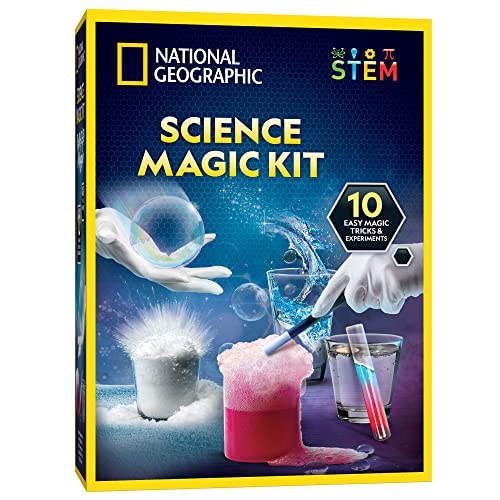
This science kit blends magic tricks with chemistry experiments, turning learning into a captivating show. With 10 experiments designed as magic tricks, plus an illustrated guide and included props, kids can perform safe, visually impressive science demonstrations while understanding underlying concepts.
Buying Guide
Key purchase considerations for educational toys intended for a 9-year-old boy include age suitability, learning goals, and safety. Consider the following perspectives to choose the best fit:
- STEM focus and skill level: Look for kits that balance hands-on building with core science concepts (mechanics, robotics, electricity, energy). Choose projects that scale in difficulty to maintain engagement as skills grow.
- Hands-on vs. screen-free play: Parents may prioritize screen-free experiences that foster practical problem solving, spatial reasoning, and fine motor skills. Hybrid options with minimal screens can also work.
- Creativity and open-ended play: Kits that allow multiple configurations or creative exploration encourage independent thinking beyond a single outcome.
- Safety and materials: Ensure kits use non-toxic materials and have age-appropriate components with clear safety guidelines.
- Cost per learning value: Compare the number of projects and longevity of play. A kit offering multiple builds or long-term replacement parts increases value.
- Inclusivity of learning outcomes: Look for clear explanations of the science concepts, plus hands-on activities that reinforce measurement, hypothesis testing, and experimentation.
- Storage and organization: Consider kits with organized components and clear instruction manuals to minimize setup time and maximize play.
In sum, the right educational toy blends accessible entry points with opportunities for deeper exploration. The five products highlighted here cover robotics, mechanics, logic, solar energy, and chemistry-inspired magic—providing diverse paths to cultivate curiosity in young learners.