Parents and educators increasingly turn to hands-on engineering kits to spark curiosity in science, technology, engineering, and math. This guide highlights five engaging kits that teach fundamentals through real-world projects, safe components, and clear instructions. From electronics exploration to structural engineering and solar robotics, these kits support creative problem solving and lasting interest in STEM.
Summary of Selected Products
| Product | Brand | Key Benefit | Typical Age Range |
|---|---|---|---|
| Snap Circuits Jr. SC-100 Electronics Exploration Kit | Snap Circuits | Over 100 projects with safe, color-coded components | 8+ |
| Teach Tech Hydrobot Arm Kit | TEACH TECH | Hydraulic arm to explore mechanical engineering concepts | 12+ |
| Thames & Kosmos Structural Engineering: Bridges & Skyscrapers | Thames & Kosmos | 20 models to learn force, load, compression and tension | 8+ |
| Sillbird 12-in-1 Solar Robot Building Kit | Sillbird | Solar-powered robotics with renewable energy lessons | 8-13 |
| 10 in 1 STEM Toys (Tsomtto) | Tsomtto | Multiple models with 167 pieces for diversified STEM play | 4-8 |
Snap Circuits Jr. Electronics Exploration Kit

The Snap Circuits Jr. kit introduces electrical engineering basics through hands-on projects. It includes 28 parts and a full color project manual, enabling more than 100 build options. The components are designed for safe, kid-friendly exploration, with color-coded labels and a sturdy box for ongoing organization. Ideal for ages eight and up, the kit supports practical skill development in electronics, circuits, and troubleshooting while encouraging experimentation and play.
Key reference from features: safe, colorful instruction book; 100+ projects; 29 parts included; suitable for ages 8+; encourages practical circuitry learning.
Teach Tech Hydrobot Arm Kit

The Hydrobot Arm Kit introduces mechanical engineering via a hydraulic system. Designed for learners ages 12 and older, the kit guides students through building a real working robot arm powered by water, with six axes capable of rotation up to 270 degrees. The leverage-based controls simulate real-world robotics without batteries, allowing students to observe how hydraulics translate into precise movement and gripping action.
Key reference from features: working robot arm; hydraulics-powered; six axes; wide rotational range; no batteries required; lever-controlled gripper.
Snap Circuits Classic SC-300 Electronics Exploration Kit
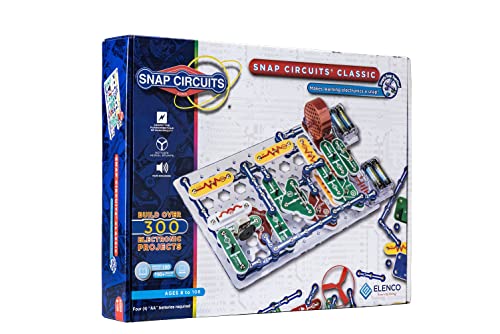
The Classic SC-300 expands on the Jnr kit with over 300 projects and 60+ pieces. It offers a broader range of experiments, including AM radios and burglar alarms, while maintaining the safe, kid-friendly approach to learning electronics. The colorful manual and sturdy components support self-guided exploration, collaborative projects, and extended STEM engagement for ages eight and up.
Key reference from features: 300+ projects; 60+ pieces; AM radios, alarms, doorbells; color manual; durable components.
Thames & Kosmos Structural Engineering: Bridges & Skyscrapers

This kit focuses on forces such as load, compression, and tension through building models. With more than 285 interchangeable pieces and a 36-page illustrated manual, students explore structural concepts by constructing 20 different models. The hands-on approach makes abstract ideas tangible, reinforcing lessons in engineering design, material properties, and stability.
Key reference from features: 20 models; 285+ pieces; illustrated manual; focus on force concepts and structural understanding.
BeAndge STEM Robotics Kit

The BeAndge kit offers six different STEM activities designed for ages 8-12. It includes a reptile robot, a balance car, a bubble machine, a fiber lamp, and a buzzer game, encouraging kids to build and experiment in a hands-on way. The package emphasizes family involvement and serves as a giftable, versatile entry into robotics and engineering concepts, with a focus on comparative building experiences and creative problem solving.
Key reference from features: six activities; 8-12 age range; includes multiple project types; giftable packaging; emphasis on DIY engineering play.
Sillbird 12-in-1 Solar Robot Building Kit

This solar-powered robotics kit provides year-round, outdoor-friendly STEM play. With 190 pieces, kids can assemble 12 different robot models powered by solar energy or artificial light. The solar aspect introduces renewable energy concepts while encouraging kids to experiment with build stability, gear ratios, and motion, all in a screen-free environment.
Key reference from features: solar power; 12 models; 190 pieces; outdoor and indoor play; renewable energy learning.
10 in 1 STEM Toys (Tsomtto)

This versatile set offers 10 different models with 167 pieces, including a tower crane, forklift, rocket car, plane, and robot. It emphasizes educational STEM play with step-by-step guides, supporting kids aged 4-8 to explore building concepts, problem solving, and collaborative play. The kit is suitable for classroom activities or family STEM time, promoting hands-on learning and creativity.
Key reference from features: 10 models; 167 pieces; step-by-step guides; suitable for ages 4-8; broad STEM skills development.
Buying Guide: Key Purchase Considerations
When selecting engineering kits for kids, consider age appropriateness, safety, and learning goals. Look for kits with clear instructions, durable components, and a variety of projects to sustain interest. Hands-on exploration should balance guided activities with room for creative experimentation. For older kids, kits that introduce core engineering principles, such as hydraulics, structural forces, and energy sources, can reinforce classroom concepts. Storage and upgrade options, plus compatibility with other sets, enhance long-term value. Evaluate whether the kit supports collaborative play, supports STEM lifelong learning, and aligns with school curricula or home learning goals.
Practical considerations include:
- Age range and readability of manuals
- Number and diversity of projects
- Safety standards and ease of assembly
- Power source: batteries, hydraulics, solar
- Component quality, durability, and replacement parts
- Storage, packaging, and space requirements
- Ability to scale with additional kits or future purchases
Comparative perspectives:
- Electronics-focused kits (e.g., Snap Circuits) excel for early electronics literacy and quick wins, often with many small projects that reinforce circuitry concepts.
- Hydraulic and mechanical kits (e.g., Hydrobot Arm) offer strong hands-on demonstrations of force, motion, and leverage, appealing to learners who enjoy tangible engineering challenges.
- Structural and civil engineering sets (e.g., Bridges & Skyscrapers) emphasize modeling, design thinking, and calculating stability under load, suited for curious problem solvers.
- Solar-powered robotics (e.g., Sillbird) introduce renewable energy concepts and outdoor exploration, promoting environmental awareness alongside STEM.
- Multi-model sets (e.g., Tsomtto) provide breadth, enabling kids to explore diverse building ideas and practice reading instructions while building multiple configurations.