Finding seating that helps children with ADHD stay focused and calm can be challenging. The following fidget chairs and accessories are designed to channel energy into productive movement, supporting concentration in classrooms, homes, and offices. Each option below is chosen for accessibility, safety, and evidence-based benefits like improved focus, reduced restlessness, and better posture. Explore these five popular picks to compare features, durability, and user feedback for ADHD-friendly seating.
| Product | Brand | Key Benefit | Typical Use |
|---|---|---|---|
| Trideer Inflated Wobble Cushion | Trideer | Improved focus and posture | Classroom, dining, desk work |
| Bouncyband Wiggle Feet | Bouncy Bands | Quiet movement under desk | School, home, office |
| GoSports 18 Inch Wobble Chair | GoSports | 360-degree wobble for active kids | Classrooms, homeschooling |
| Bouncyband Wiggle Seat | Bouncy Bands | Small wobble cushion for young children | Classroom, home |
| Chair Bands For Kids With Fidgety Feet 3 Pack | PICK A TOY | Simple, affordable fidget bands | Chairs in classrooms and desks |
Trideer Inflated Wobble Cushion: Sensory Seating
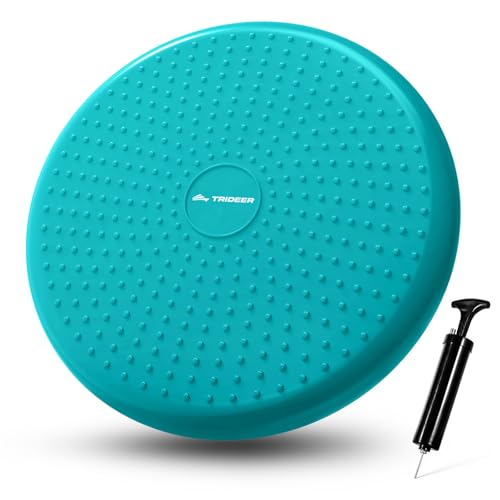
The Trideer Inflated Wobble Cushion serves as a flexible seating option that can help absorb energy and promote longer attention spans during desk work. Described as an extra-thick balance disk, it fits atop standard chairs to create subtle instability that encourages micro-movements without disrupting others. This movement can support focus while reading, writing, or dining, making it a common choice for classrooms and meal times. Additionally, using the cushion on an office chair may help vary posture, potentially reducing fatigue over extended periods.
In practice, the cushion offers benefits like improved balance and core engagement. Users can stand on the dedicated balance disk during exercises to strengthen posture and coordination, with a non-slip grip reducing the risk of slips. The cushion’s materials are designed for durability and repeated use across different age groups, from kids to adults seeking sensory input during sedentary tasks. If you need a versatile seating aid that travels well, this cushion can be a practical option for multi-environment use.
Chair Bands For Kids With Fidgety Feet 3 Pack
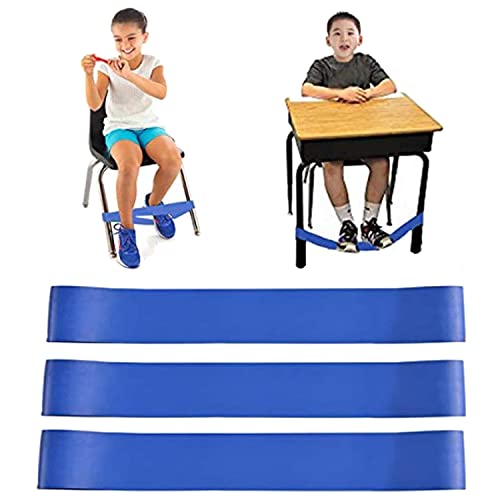
These chair bands offer a simple, low-cost way to channel restless feet into controlled movement. The three-piece latex bands stretch across chair legs, creating a discreet interface for fidgeting while seated. They’re advertised as easy to install and remove, making them practical for shared spaces and homes. By promoting ongoing, contained motion, these bands aim to improve focus and concentration during study or meals. They’re suitable for a range of chairs, provided the front legs meet the specified width. The bands work best in environments where quiet, steady movement is valued.
From a safety perspective, bands can reduce the likelihood of accidental kicks or chair scooting, while enabling kids to stay engaged with tasks. The setup emphasizes independence, as children can install or adjust the bands themselves. For educators and caregivers, these bands offer a low-maintenance option to support differing sensory needs without significant disruption to the teaching flow.
Bouncyband Wiggle Wobble Chair Feet

The Bouncyband Wiggle Wobble Chair Feet transform a regular chair into a dynamic seating option by enabling gentle, repetitive movement. This setup is designed to increase blood flow to the brain, thereby potentially enhancing attention and learning. The product emphasizes quiet use, helping reduce classroom disruptions. It’s marketed as a tool to calm children with fidgety behavior, supporting focused learning while keeping movements under control. The chair feet are fitted for long-term use, and their wobble action is intended to be tolerable for both kids and supervising adults.
Key advantages include the ability to channel excess energy into a productive channel and a compact footprint that fits beneath most desks. The distraction-free design suits both school and home environments, where silent movement is preferred. The product also highlights ease of installation and compatibility with various chair styles, making it accessible in diverse settings.
GoSports 18 Inch Wobble Chair

The GoSports 18 Inch Wobble Chair is a versatile sensory stool designed to promote active seating for children and older learners. The 360-degree wobble capability supports natural movement, which can help reduce restlessness and support focus during tasks. An emphasis on a textured footrest offers additional sensory input for feet, aiding concentration and calmness without creating noise or disruption. The chair is described as lightweight for easy relocation and features a non-slip base to ensure stability on various indoor floors. It also includes handles to help children secure a comfortable hold while moving.
Designed for durability, it tolerates daily classroom activity and is suitable for children roughly within the 8–12 age range, depending on height. The simple, sturdy construction aims to provide a reliable sensory tool that can be used at home or school. As with other wobble chairs, it should be integrated into a broader seating plan that considers individual sensory needs and classroom dynamics.
BouncyBand Wiggle Seat
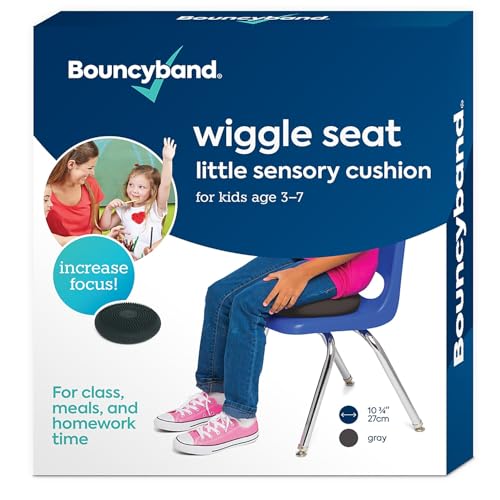
The BouncyBand Wiggle Seat is a compact wobble cushion designed for young children. It provides a controlled outlet for movement, potentially helping students stay focused during classroom activities, meals, or homework. Built to support active learning, the cushion offers tactile stimulation with its flexible nodules and varied textures, which can help regulate sensory input without creating noise. Its small size makes it easy to transport and use across different settings, including desks and tables that require a gentle tilt or wiggle to sustain attention.
In practice, educators and parents note that the Wiggle Seat can reduce restlessness by enabling just the right amount of motion. It works well as a personal seating accessory in tight spaces and pairs effectively with other sensory tools in a classroom. The cushion is designed to be durable for daily use and is compatible with most standard chairs, provided it fits within the seat dimensions.
Chair Bands For Kids With Fidgety Feet 3 Pack

This triple-pack of chair bands provides an affordable approach to managing restless feet in seating environments. The bands are designed for quick installation around the front legs of a wide range of chairs, enabling continuous, contained movement. They are marketed toward children with ADHD, ADD, SPD, autism, and general hyperactivity, making them relevant for multisensory classrooms and homes. The product emphasizes ease of use, with a setup that can be completed by a single caregiver or student, reinforcing independent management of sensory needs.
While chair bands can support focus by diminishing disruptive movements, it is important to pair them with other strategies such as scheduled breaks and structured routines. The bands’ effectiveness depends on proper fit and consistency in application across different chairs. For classrooms that rotate seating, their reusability and rapid deployment are practical benefits.
Buying Guide: Key Purchase Considerations
When selecting fidget chairs and related seating aids for ADHD, consider how the product supports focus, safety, and daily use. Look at stability, weight limit, and the surface texture to ensure it aligns with a child’s sensory needs. Materials should be durable and easy to clean for classroom environments. Consider whether you prefer devices that allow quiet movement or those that encourage a wider range of motion. Portability can be important for homes and schools with limited space or frequent reconfiguration. Finally, examine installation requirements, as some products are designed for quick setup by a caregiver, while others may demand more hands-on adjustment by students. Combining seating aids with structured routines, regular breaks, and targeted movement activities can maximize benefits for learners with ADHD.
The following considerations help compare options across the selected products:
- Movement type: micro-movements (seated wobble) versus large, dynamic shifts.
- Discreetness: whether the movement is audible and noticeable to others.
- Age and height suitability: ensure the product fits the user’s size and development.
- Durability and cleaning: look for materials that withstand daily use and easy maintenance.
- Ease of installation: products should be user-friendly for teachers, parents, or students.
These products collectively offer a spectrum of strategies—from simple bands and cushions to complete wobble chairs—so caregivers can tailor seating solutions to individual sensory needs, classroom dynamics, and daily routines. By combining movement-friendly seating with structured expectations, learners with ADHD can achieve more consistent focus and calmer participation in activities.