Parents and caregivers seeking hands-on toys to support early motor development can focus on simple, durable, and engaging options. The following selections emphasize grip strength, hand-eye coordination, color and shape recognition, and problem-solving—core components of fine motor skills for children aged 12 to 18 months. Each item is noted for safe materials, age-appropriate design, and open-ended play opportunities that scale as a child grows.
| Product | Brand | Age Range | Highlights |
|---|---|---|---|
| Spike The Fine Motor Hedgehog | Learning Resources | 18+ months | Peg insertion, color recognition, counting basics |
| 3 in 1 Learning Fine Motor Montessori Toy | EARLY EXPLORER TOYS | 18+ months | Three lids with different openings; multi-sensory |
| Montessori Shape Sorter & Stacking Puzzle | GOPO TOYS | 12+ months | Problem solving, stacking, sorting; non-toxic |
| MINGKIDS Bath Toys 12-18 Months | MINGKIDS | 12-18 months | Open-sided container; easy to push shapes in/out |
| IPlay, ILearn Hedgehog Montessorri Set | iPlay, iLearn | 12-18 months | Quill removal/insertion; color and number learning |
Learning Resources Spike The Fine Motor Hedgehog
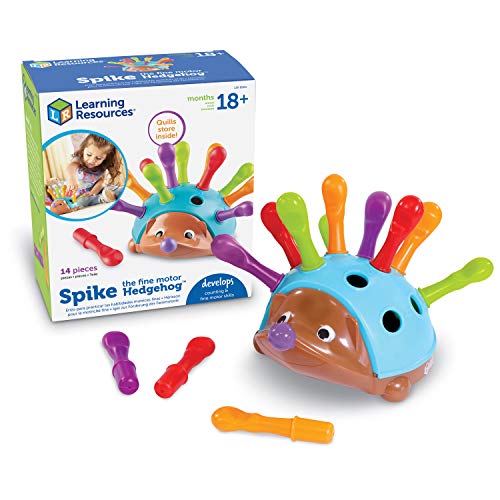
The Spike Hedgehog encourages fine motor development through straightforward pegging activity. Toddlers remove and place quills into the hedgehog’s back, building hand strength and improving hand-eye coordination. The design grows with the child, offering simple play for older toddlers and expanding into color, counting, and pattern recognition for preschoolers. The textured quills provide sensory engagement, supporting focus and tactile exploration as a core aspect of early motor skills training.
Three-Lid Montessori Fine Motor Toy

This wooden, Montessori-inspired set includes three lids—geometric, round coin-style, and flat stick—each opening a distinct way to practice grip, placement, and coordination. The multi-sensory experience supports open-ended exploration, with kids choosing which lid to try and how to interact with it. Designed for safety and autonomy, the toy emphasizes direct manipulation and problem-solving without screens or electronics, aligning with best practices for early motor development.
Montessori Shape Sorter & Stacking Puzzle
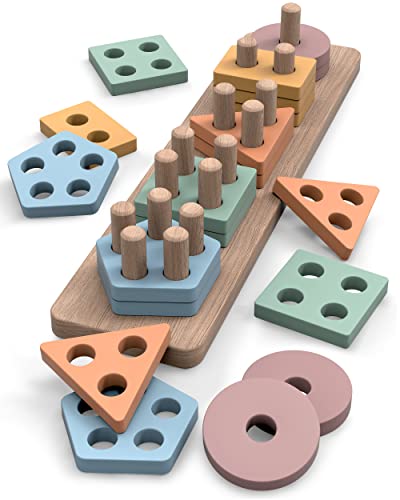
GOPO TOYS presents a classic Montessori-inspired experience that blends shape sorting with stacking challenges. The chunky wooden shapes, sturdy pegs, and smooth finishes support dexterity and hand-eye coordination through repetitive, calming tasks. The design invites independent exploration, enabling toddlers to practice problem solving while developing grip strength and spatial awareness. It is non-toxic and crafted with safety in mind, making it suitable for early exploration and continued use as skill levels advance.
MINGKIDS Bath Toys 12-18 Months

These bath-friendly toys are designed for open-ended water play, helping infants and toddlers enhance fine motor skills through shape manipulation. The open-sided container and elastic strips enable easy insertion and removal of shapes, promoting hand-eye coordination and tactile exploration. The shapes use bright colors that are easy for little hands to grasp, and the lightweight design supports repeated, gentle practice, which is essential for motor progression in this age band.
iPlay, iLearn Hedgehog Montessorri Set

This hedgehog-themed Montessori set combines color and number learning with fine motor practice. Children can freely remove and insert quills, which helps with finger dexterity and grip control. The activity supports early cognitive development by linking colors with numbers and providing a tangible way to practice sequencing and counting. The toy’s tactile pieces are sized for small hands and designed for repeated use, making it suitable for daily play routines and longer attention spans as skills mature.
Toddler Montessori Wooden Farm Toys

This farm-themed set invites imaginative play while targeting finger strength and manual dexterity. With a wooden base, vegetable blocks, animal figures, and a game map, the toy encourages sorting, imaginative farming scenarios, and interactive storytelling. The wooden construction, rounded edges, and bright colors align with safety standards for toddlers, supporting safe, independent exploration while building early fine motor skills and cognitive associations between objects and actions.
Buying Guide: Key Purchase Considerations
When selecting fine motor toys for 12-18 months, consider durability, safety, and the skill areas each toy targets. Materials such as wood or BPA-free plastics with rounded edges reduce risk of injury. Look for toys that encourage stacking, sorting, pinching, and insertion to build grip strength and coordination. Multi-sensory toys with textures, colors, and sounds can sustain attention while promoting cognitive development. If possible, choose open-ended designs that adapt as a child’s abilities grow, rather than single-purpose items that become obsolete quickly.
Hands-on play should offer opportunities for independent exploration as well as guided participation by adults. Toys that support early counting, color recognition, and spatial reasoning provide a holistic foundation for math and literacy readiness. For caregivers, ease of cleaning and versatility across play contexts—bath, floor, or table—adds value. Finally, verify safety certifications and age recommendations to align with a child’s current stage and developmental trajectory.
Perspective considerations include: how much assistance a toy requires (free play versus guided activities), the level of cognitive challenge (simple matching vs. multi-step tasks), and the potential for boredom if activities are too repetitive. A balanced mix of open-ended and structured tools helps avoid overstimulation while ensuring a steady progression of fine motor competencies.