Glider bikes and balance bikes for toddlers help little riders gain confidence, balance, and coordination before they transition to pedal bikes. This guide highlights five popular toddler balance bikes designed to be lightweight, adjustable, and durable, with features that grow with your child. Each option below is selected for stability, safety, and kid-friendly design, making them suitable for young beginners exploring outdoor mobility.
Summary Table: Selected Products
| Product | Brand | Key Feature | Seat Height Range |
|---|---|---|---|
| Youthkkee 12 Inch Toddler Balance Bike | Youthkkee | Tool-free adjustable seat; customizable plate | Low seat height; adjustable |
| SEREED Toddler Balance Bike (White) | SEREED | Quick-release adjustment; no pedals | 12.6″ to 17.1″ seat height |
| KRIDDO Toddler Balance Bike (White) | KRIDDO | Customizable plate; dual bearing wheels | Adjustable seat and handlebars |
| Bobike Toddler Balance Bike (Pink) | Bobike | Adjustable seat; enclosed non-slip wheels | Adjustable seating |
| KRIDDO Toddler Balance Bike (Green) | KRIDDO | Personalized plates; adjustable components | Adjustable seat and handlebars |
Youthkkee 12 Inch Toddler Balance Bike

The Youthkkee balance bike is designed to help toddlers learn balance and coordination with a pedal-free design, enabling a stable, confidence-building ride. Its low center of gravity supports young riders as they push and glide, while the adjustable seat height accommodates growing children. The bike features a modern, ergonomic design with vibrant colors to appeal to kids and parents alike. Built to endure daily use, this model emphasizes durability with a robust frame capable of handling everyday bumps and rough terrain.
Key features include a quick assembly process and a tool-free adjustable seat, allowing caregivers to tailor the fit without specialized equipment. The customizable plate provides an opportunity for personalization, which can add a sense of ownership and fun for toddlers as they explore new rides. This bike emphasizes balance-first learning, making the transition to a traditional pedal bike smoother when the time comes.
SEREED Toddler Balance Bike (White)

The SEREED balance bike for toddlers emphasizes a sturdy construction and easy adjustability. Its carbon-steel frame supports substantial weight for a balance bike, while the quick-release mechanism enables tool-free adjustment of seat height and handlebar height. With no pedals, kids focus on balance and steering, which helps build confidence for transitions to pedal bikes. The design includes a safe starting seat height and a broad, stable base to reduce the risk of tipping during learning sessions. A bonus plate and stickers invite personalization without compromising safety.
KRIDDO Toddler Balance Bike (White)

The KRIDDO balance bike is designed for early riders ages 2 to 5, introducing balance with a sturdy frame and child-friendly design. This model includes a removable customizable plate and three sets of stickers, allowing children to personalize their ride. Dual-bearing wheels promote smooth motion with lower rolling resistance, helping kids glide more easily as they learn balance and coordination. The seat and handlebar are adjustable, enabling the bike to grow with your child for extended usability and value.
Bobike Toddler Balance Bike Toys (Pink)
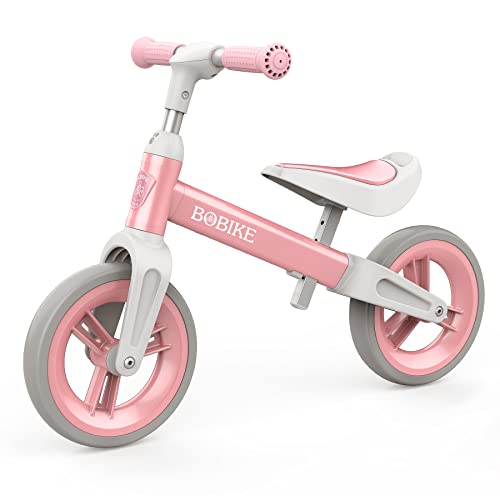
Bobike offers a balance bike built for safe, early riding experiences. Designed for toddlers up to around four years old, this bike focuses on a sturdy carbon steel frame, an adjustable seat, and enclosed non-slip wheels to prevent foot injuries. Its simple assembly process makes it a practical choice for families seeking a straightforward setup. The bike’s closer-to-bicycle feel enhances balance training while maintaining a kid-friendly look and feel, suitable for indoor or outdoor use depending on space and weather.
KRIDDO Toddler Balance Bike (Green)
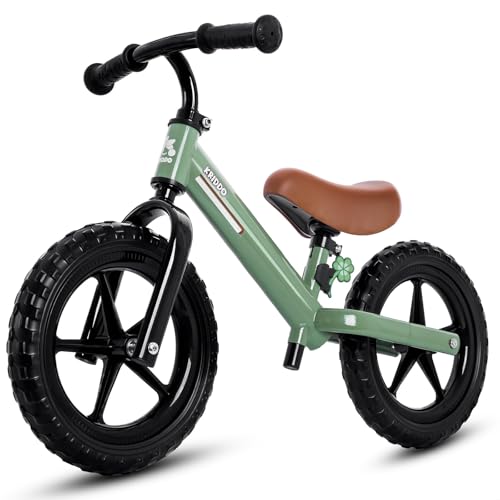
This KRIDDO model emphasizes personalization with two plates (flower and clover) under the seat, encouraging kids to customize their ride. It features dual-bearing wheels for a smooth glide and an adjustable seat and handlebars to accommodate growing children. The design aims to provide a stable, comfortable riding experience that supports early balance development while offering a playful, engaging aesthetic through personalized decals and stickers.
Buying Guide: Key Purchase Considerations
Choosing a balance bike for a toddler involves evaluating safety, adjustability, weight, and durability. Consider the following perspectives to make an informed choice:
- Age and height suitability: Look for adjustable seat and handlebar heights to accommodate growth. Many models span roughly 12 to 18 inches in seat height, which covers early walkers through toddlers on the cusp of transitioning to pedals.
- Weight and materials: Lighter bikes are easier for parents to handle and for kids to maneuver. Steel frames offer durability, while aluminum frames reduce weight. Ensure the frame is robust enough to withstand daily use and minor impacts.
- Balance-first design: A no-pedal, push-and-glide setup is ideal for building core balance and steering. Check the wheelbase width and wheel circumference for stability and safe ground clearance.
- Adjustability and growth: Quick-release or tool-free adjustments are convenient for on-the-spot fitting as your child grows. Ensure seats and handlebars can be raised or lowered consistently without compromising safety.
- Safety features: Look for non-slip handles, soft seats, and closed wheels to reduce feet injuries. A wide, stable stance and low center of gravity help prevent tipping during early rides.
- Personalization options: Customizable plates, stickers, or decorative accents can add motivation for kids to use the bike more often, potentially improving consistency in practice sessions.
- Maintenance and assembly: Track how easy it is to assemble and maintain the bike. Fewer tools and quick adjustments save time and minimize frustration for caregivers.
- Intended environment: Consider where the bike will be used—indoor play areas, sidewalks, or paved paths—and choose wheels with appropriate tread and durability for those surfaces.
Across these options, parents can expect a balance of stability, ease of use, and personalization. Selecting a model that grows with the child helps maximize value and encourages consistent practice, which is essential for developing confidence and coordination at a young age.