For 7-year-olds, interactive toys combine learning, creativity, and active play. The right toys can improve hand-eye coordination, memory, problem-solving, and social skills while keeping kids excited about discovery. Below is a curated guide featuring five engaging options designed to entertain and educate without screens. Each item highlights hands-on fun, durable design, and age-appropriate challenges that suit curious seven-year-olds.
Summary of selected products:
- ANNKIE Whack Game Mole – Large, multi-mode pounding game with sound and light.
- KingsDragon RC Robot – Gesture and infrared remote control with programmable actions.
- National Geographic Gross Science Kit – 45 gross-out experiments plus extra activities.
- hahaland Interactive Whack A Game – Competitive, level-driven whack-a-mole with sound and light.
- PlayRoute Electronic Brain & Memory Game Cube – Five brain-teasing games in a handheld device.
ANNKIE Whack A Mole Game
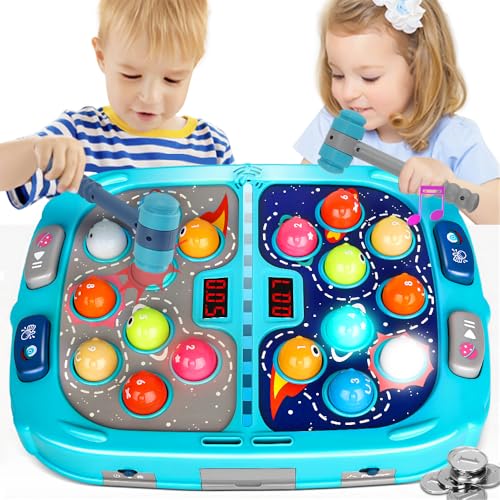
The ANNKIE Whack A Mole game presents three interactive modes: Solo, PK, and Super, with nine speeds and 45 levels of escalating difficulty. The large playing area (about 12″ x 16″) accommodates multiple players, encouraging friendly competition as kids hit colorful flashing moles to the rhythm of cheerful sounds. The set includes 2 soft hammers, 18 balls, and two scoreboards, boosting counting skills and quick reflexes. As a Montessori-inspired option, it promotes hand-eye coordination and focus while keeping kids active and engaged away from screens.
Built for repeat use, the toy uses bright colors and lively light and sound effects to sustain attention and create a lively play atmosphere. The two-player and solo modes provide flexibility for family game nights or individual practice. Requires 4 AA batteries (not included). The durable design and oversized play area are well-suited for a 7-year-old who enjoys physical challenges and quick decision-making. This toy offers a tangible, active alternative to passive entertainment.
KingsDragon RC Gesture Robot

This gesture-sensing robot offers both infrared remote control and hand-gesture operation. Kids can command the robot to turn left, turn right, move forward, or backward with simple gestures. It also features auto display and obstacle avoidance, providing interactive showcases that respond to a child’s movements. The robot’s eyes light up with blue LEDs during motion, adding a tactile cue that makes the robot feel responsive and alive. With 50 programmable actions, kids can input moves and watch the robot playback in sequence, sparking creativity and basic coding thinking.
Made from non-toxic ABS plastic and built with multi-joint shoulders and elbows, the KingsDragon robot is sturdy enough for everyday play. The bottom wheels enable smooth movement and varied action sequences, while the programmable mode supports expanding complexity as children grow. The combination of physical play and introductory programming concepts makes this toy a strong fit for a 7-year-old exploring cause-and-effect, sequencing, and imaginative storytelling through robot antics.
National Geographic Gross Science Kit

The National Geographic Gross Science Kit brings accessible, hands-on exploration with a gross-factor twist. Designed for children ages 8-12, it includes 45 gross science experiments and a bonus booklet with 30 additional activities using common household items. Experiments cover a range of topics from biology to chemistry, with kid-friendly instructions and illustrations to guide independent or guided exploration. While some activities may involve messy materials, the kit emphasizes safe, educational fun that makes science memorable through memorable, “gooey” results.
As a gift for curious minds, the kit supports early scientific thinking: predicting outcomes, observing results, and drawing conclusions. The inclusion of a comprehensive guide helps parents and educators facilitate learning without overwhelming the child. The STEM value is clear, and the variety of experiments allows a 7-year-old to branch into more challenging projects at their own pace, strengthening scientific literacy and confidence in experimentation.
hahaland Interactive Whack A Game

Designed to ignite competitive spirit and speed, the hahaland Whack A Game features a single-player mode and a dual-player duel with color-aligned arrows. The game presents nine levels of increasing difficulty, challenging children to react quickly and accurately. This interactive toy doubles as an educational tool for pattern recognition, color matching, and rapid decision-making, all while promoting physical activity and social interaction through shared play.
The dual-player mode is engaging for siblings or friends, helping to develop turn-taking and cooperative play despite competition. The fast-paced action, combined with light and sound cues, keeps children energized and focused. The durable construction and portable design make it suitable for family gatherings, classrooms, or rainy-day activities that still encourage movement and concentration.
PlayRoute Brain & Memory Game Cube
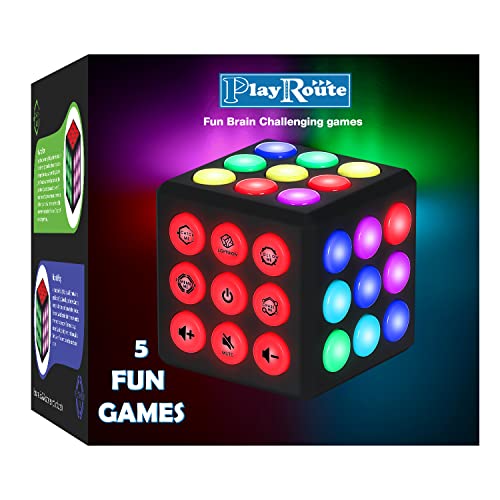
The PlayRoute Light Up Cube packs five brain games into a compact handheld device, focusing on memory, attention, and cognitive flexibility. Games like “Follow Me” and “Remember Me” require players to memorize sequences or patterns, gradually increasing difficulty to challenge retention and concentration. The device is marketed as suitable for ages 6-12 and beyond, making it a versatile option for a 7-year-old’s growing mental stamina.
The cube’s portability makes it a convenient travel companion, encouraging short, focused play sessions that can reinforce cognitive development without screens. With a variety of modes, kids can switch between memory challenges and quick-response tasks, supporting both short-term recall and longer-term strategic thinking. The demand for steady focus and consistent practice aligns well with educational goals, while still providing playful interaction that kids find enjoyable.
Buying Guide: Key Purchase Considerations
When selecting interactive toys for 7-year-olds, consider the following factors to ensure value and engagement over time.
- Learning goals: Look for toys that build specific skills such as memory, hand-eye coordination, problem-solving, or basic programming concepts. Choose activities that mix play with learning objectives.
- Age appropriateness: Verify recommended ages and difficulty levels. Toys should challenge without causing frustration, promoting gradual skill development.
- Durability and safety: Check materials, especially for younger siblings who may handle toys roughly. Non-toxic plastics and well-secured moving parts are important.
- Social vs. solo play: Some toys support cooperative play, while others suit independent exploration. A mix helps with social skills and personal focus.
- Portability and storage: Consider size, weight, and ease of setup. Lightweight devices or compact kits are easier to use in small spaces or on trips.
- Power and maintenance: Note battery requirements or charging needs. Reusable, rechargeable options are convenient and economical.
- Expansion potential: Toys with programmable elements or multiple modes offer longer-term value, allowing growth as the child’s skills advance.
In sum, the five featured products provide a blend of physical activity, cognitive challenge, and imaginative play. Selecting a mix of quick-response games and longer-term STEM activities can help sustain a 7-year-old’s curiosity, reduce screen time, and promote hands-on learning that complements classroom experiences.