Discover a curated selection of Japanese-inspired toys that blend playtime with culture, art, and learning. From traditional wooden games to modern interactive sets, these toys offer imaginative experiences for children and engaging display pieces for families. Below you’ll find five well-made options that emphasize skill-building, safe materials, and cultural flair.
| Product | Brand | Region/Culture | Why It Stands Out |
|---|---|---|---|
| Daruma Otoshi Japanese Traditional Toy (7inch) | Tomerry | Traditional Japan | Classic wooden dexterity game with hidden storage hammer |
| Rolife 3D Wooden Puzzle Lucky Cat | Rolife | Japanese Maneki Neko | 3D puzzle with cultural charm and assembly bonus |
| Funpynani Sushi Slicing Play Food Set | Funpynani | Japanese cuisine theme | Color-changing LED pretend food for imaginative play |
| Interactive Kids Sushi Bar Playset | KiddoKraft | Japanese restaurant culture | Conveyor belt, lights, sounds for role-play |
| Cat Stealing Money Bank | HmiL-U | Fun novelty toy | Educational savings habit with engaging voice features |
Daruma Otoshi Japanese Traditional Toy (7inch)

The Daruma Otoshi set by Tomerry is a high-quality wooden game rooted in traditional Japanese play. Players must remove lower pieces one by one with a hammer while preserving the top Daruma figure, challenging precision and steady hands. The design integrates a clever storage feature: the hammer nests at the highest piece, keeping the set compact for display when not in use. This toy doubles as a decorative piece, blending cultural heritage with interactive fun for kids and collectors alike.
Rolife 3D Wooden Puzzle Lucky Cat

This 3D wooden puzzle recreates the iconic Maneki Neko, a symbol of welcome and fortune in Japanese culture. The 72-piece kit is designed for easy assembly without glue, with pre-cut wood sheets, a clear manual, and a round bell. Made from natural plywood, it emphasizes eco-friendly and sturdy construction suitable for teens 8 and up. Completing the lucky cat offers a sense of accomplishment and a charming display piece that invites ongoing interaction and cultural appreciation.
Funpynani Sushi Slicing Play Food Set

The Funpynani Sushi Slicing Set brings a color-changing LED feature into pretend kitchen play. The 34-piece set includes realistic sushi pieces, designed in safe ABS materials for everyday use. The LED illumination enhances color recognition and visual exploration during role-play, while the included Velcro-based cutting action encourages fine motor skills, sequencing, and imaginative cooking scenarios in a safe, engaging way.
Interactive Sushi Bar Playset with Rotating Conveyor

This all-in-one sushi restaurant playset from KiddoKraft recreates a full Japanese dining experience. The manual rotating conveyor belt adds tactile realism, while the lights and sounds simulate a busy restaurant. The set includes a rotating sushi tray, sushi rolls, chopsticks, soy sauce, bowls, and a sake set, enabling rich, social pretend play. A built-in cash register with interactive features supports early numeracy, social skills, and collaborative play among children.
Cat Stealing Money Bank
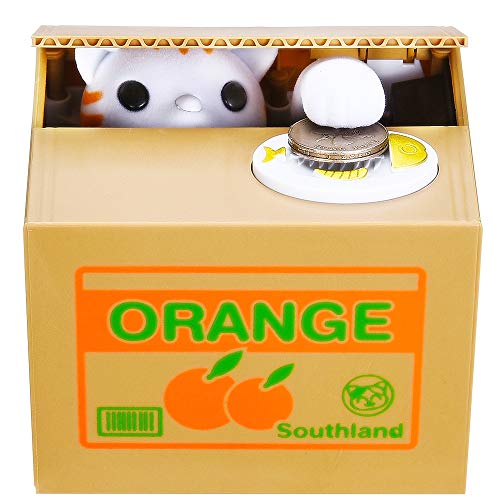
This playful money bank adds a whimsical character to saving habits. The kitten or panda voice feature activates when coins are placed on the plate and thanks the user when coins are removed, making money management a fun, engaging routine. The compact design supports easy placement on desks or shelves, teaching financial literacy through interactive storytelling and reward-based feedback.
Buying Guide
- Age appropriateness: Choose sets designed for the child’s age to ensure safety and appropriate difficulty. Look for clearly stated age ranges on packaging or product pages.
- Material and safety: Prioritize natural wood, BPA-free plastics, and non-toxic finishes. Check for choking hazards and small parts for younger children.
- Educational value: Consider how a toy supports motor skills, spatial reasoning, color recognition, language development, or social play. Cultural themes can enhance curiosity about different traditions.
- Durability and maintenance: Wooden toys often outlast plastic; look for sturdy construction, simple assembly, and easy cleaning options.
- Play style and setting: Decide between solo play (puzzle or learning toys) or social play (conveyor sushi bar or money bank with family participation). Choose based on your household’s routine and available space.
- Display potential: Some items double as decorative pieces. If you value displayability, ensure a safe, accessible location for the item when not in use.
- Cost vs value: Assess long-term value by considering how many developmental benefits or cultural learning opportunities a toy offers, rather than just immediate entertainment.
- Brand and warranty: Reputable brands often provide better build quality and customer support. Check for warranties or assurances on durable parts.
The featured selection blends traditional Japanese play with modern, safe design. Each option provides distinct advantages, from dexterity challenges and cultural education to interactive storytelling and role-play, helping kids explore Japan’s heritage through hands-on activities.