Discover effective, age-appropriate tools that support early literacy, handwriting, and numeracy. The following picks are designed to help kids build essential skills through engaging activities, practice, and hands-on learning.
| Product | Key Benefit |
|---|---|
| Scholastic Flash Cards: Sight Words | Boosts word recognition and fluency for early readers |
| 100 Words Kids Need to Read by 1st Grade | Structured practice with essential sight words and engaging activities |
| Flash Cards: Numbers 0 – 100 | Foundational math fluency and number recognition |
| JuneLsy Pencil Grips for Kids | Supports proper handwriting posture and reduces strain |
| Learning Resources Big Time Mini Clock | Hands-on time-telling and clock-reading skills |
Scholastic Flash Cards: Sight Words

These flash cards focus on essential high-frequency sight words to help early readers recognize common words quickly. The deck supports repetition and quick recall, which can improve reading fluency and overall comprehension. Ideal for independent practice, small-group activities, and classroom centers, the cards are designed for durability and easy handling by young learners. Use alongside guided reading to reinforce word recognition and confidence in decoding text.
100 Words Kids Need to Read by 1st Grade: Sight Word Practice to Build Strong Readers

This workbook provides structured practice with a curated set of 100 words that first graders should know. It includes fill-in-the-blank stories, sentences, word riddles, games, and puzzles to reinforce word recognition in varied contexts. The versatile activities support independent practice, partner work, and small-group lessons, making it a solid staple for early literacy curricula and homeschooling routines.
Magic Practice Copybook, Reusable Writing Practice Book

This five-book set focuses on handwriting and calligraphy skills with reusable magic ink. The kit includes practice for numbers, alphabet, and drawing, with durable, smudge-resistant pages and safe silicone pen holders. While great for repetitive practice and neat letter formation, teachers and parents should monitor ink-wipe cycles and ensure appropriate use for young children to minimize frustration and maximize pen control.
Flash Cards: Numbers 0 – 100

These double-sided number flash cards introduce numeric concepts from 0 to 100. Constructed from heavy-duty cardstock with color-fast, plastic-coated surfaces, the set supports rapid recall, counting, and number sense activities. They are well-suited for math centers, quick-recall drills, and parental practice at home, helping kids build confidence with number patterns and basic arithmetic foundations.
JuneLsy Pencil Grips for Kids
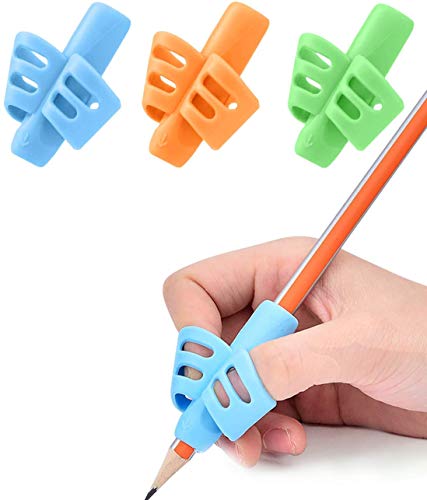
These pencil grips help kids position and hold pencils correctly, supporting proper handwriting mechanics for ages 3-7. By guiding finger placement and reducing cramping, they can improve comfort and handwriting stamina during early writing tasks. The set is useful for children who are developing fine motor skills, or for those with handwriting challenges that benefit from a more ergonomic grip.
Learning Resources Big Time Mini Clock

This teaching clock offers a hands-on approach to time-telling, with hidden gears that maintain the correct time as the hands are moved. The color-coded hour and minute hands align with the clock’s markings to reinforce understanding of hours, minutes, and elapsed time. It is a practical tool for math centers, classroom demonstrations, and home practice to build early time-telling fluency and daily time-telling routines.
Buying Guide for Learning Tools for Kids
- Age and skill alignment: Choose resources that match the child’s current reading, writing, and math levels. Look for materials labeled for age ranges or grade levels.
- Active vs. passive practice: Favor tools that encourage active engagement (flash cards, manipulatives, clock apps) over passive worksheets to sustain attention and improve retention.
- Durability and safety: Select items with sturdy construction and materials appropriate for young children, especially writing tools (pencil grips, reusable copybooks).
- Reinforcement variety: Combine multiple types of tools—sight words, number fluency, handwriting aids, and time-telling devices—to build a well-rounded skill set.
- Home vs. classroom use: Consider versatility for both settings. Card decks and workbooks suit both independent work and teacher-led activities.
- Progress tracking: Look for resources that offer clear progress indicators (checklists, word lists, printable assessments) to monitor growth over time.
- Cost and value: Balance price with durability, frequency of use, and the breadth of skills covered to maximize long-term value.
- Parental involvement: Some tools include guidance for parents or teachers to structure practice sessions, which can improve outcomes.
- Accessibility: Ensure options are easy to use for a range of learners, including early readers and children with diverse learning needs.