Choosing engaging, developmentally appropriate toys can support communication, social interaction, and fine motor skills for children on the autism spectrum. The following selections focus on sensory-friendly design, clear visual supports, and interactive elements that promote focus, language growth, and independent play. Each option is chosen for quality, safety, and proven benefit in classroom or home settings.
Summary of Selected Products
| Product | Brand | Why It Fits |
|---|---|---|
| Airbition Talking Flash Cards | Airbition | Vocabulary expansion and speech therapy support with engaging sounds and visuals. |
| Zeoddler Alphabet Puzzles | Zeoddler | Wooden, child-friendly alphabet learning and fine motor practice. |
| Just Smarty Alphabet Wall Chart | Just Smarty | Alphabet sounds, numbers, and language practice integrated with music. |
| hand2mind See My Feelings Mirror | hand2mind | Emotional recognition and social-emotional learning visuals. |
| Learning Resources Spike The Fine Motor Hedgehog | Learning Resources | Fine motor development with colorful, tactile quills and involves counting and sorting. |
Airbition Talking Flash Cards

Airbition offers a toddler-friendly learning device with 224 words and colorful illustrations. It supports vocabulary growth and cognitive development through sound-image associations, a beneficial approach for autism-related speech challenges. The device includes a standard American voice and a repeat function, with adjustable volume. This setup helps children engage during Montessori-style play, and it is suitable for speech therapy integration and sensorimotor exploration.
Zeoddler Alphabet Puzzles

Zeoddler’s wooden alphabet puzzles present all 26 uppercase letters in a sturdy, toddler-friendly format. The natural wood construction supports durable, multi-sensory play and helps develop fine motor skills and hand-eye coordination. The size and thickness are designed for small hands, enabling easier grasp and placement. This toy supports early literacy development while encouraging problem-solving through hands-on exploration.
Just Smarty Alphabet Wall Chart

This wall chart combines alphabet letters with sounds, numbers, and basic words, supporting early literacy and language development. It is designed as an engaging visual aid that can be used during speech therapy and home learning. The content emphasizes auditory-motor connections through songs and chants, making it a versatile tool for children ages 1–4 and beyond as skills advance.
hand2mind See My Feelings Mirror

See My Feelings Mirror is a reflective tool that helps children label and identify emotions using emoji slides and real-life photos. It supports social skills and emotional regulation, providing a cozy corner activity for classrooms or therapy sessions. The mirror’s design encourages self-recognition and empathy, helping children practice conversations about feelings in a safe, engaging format.
Spike The Fine Motor Hedgehog
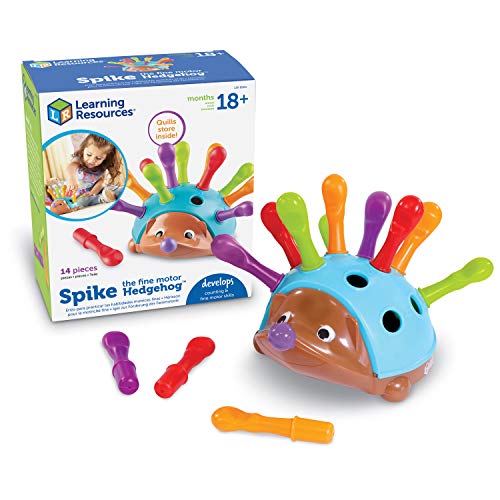
Spike The Fine Motor Hedgehog supports early dexterity through stacking, sorting, and matching activities. The quills provide tactile feedback that strengthens hand muscles and hand-eye coordination. It evolves with the child, starting with simple color recognition for toddlers and expanding to counting and pattern identification for preschoolers, making it a versatile Montessori-inspired option for developing fine motor skills.
Christmas Stocking Stuffers Dinosaur Color Sorting

This color-sorting dinosaur toy blends Montessori-style sensory play with early math concepts. Pushing beads into matching color positions supports color recognition, sequencing, and fine motor control. It is compact, quiet, and durable, making it suitable for classroom use and travel. The toy’s water-bead movement adds a calming, tactile element that can help maintain focus during learning activities and autism-friendly play sessions.
Speak & Spell Electronic Game

Speak & Spell recreates a classic educational format with modern accessibility. It features multiple play modes—Spell, Mystery, Say It, Secret Code, and Letter—offering varied challenges that build spelling, phonics, and word recognition. The device provides opportunities for independent practice, classroom activities, and a structured approach to language learning for children on the autism spectrum, while engaging familiar retro gameplay.
Buying Guide: Key Purchase Considerations
- Developmental fit: Evaluate each toy’s focus—language, fine motor skills, emotional regulation, or sensory processing—and match it to the child’s current goals.
- Ease of use: Look for simple on/off controls, durable construction, clear visuals, and age-appropriate complexity to minimize frustration and maximize engagement.
- Sensory needs: Prefer toys with adjustable volume, soft textures, and predictable responses to avoid overstimulation while supporting exploration.
- Versatility: Choose items that scale with growing skills, such as puzzles that increase in difficulty or tools that support both independent play and guided interaction.
- Therapeutic compatibility: Consider whether toys align with speech therapy, occupational therapy, or social-emotional learning goals and can be integrated into sessions.
- Safety and materials: Prioritize non-toxic finishes, sturdy construction, and age-appropriate choking hazard considerations for younger children.
- Durability and maintenance: Select easy-to-clean surfaces and pieces that minimize breakage to ensure long-term use in homes and classrooms.
- Cost-effectiveness: Weigh set size, durability, and instructional value to determine overall value, keeping in mind the potential for extended use as skills advance.