If you’re shopping for a kid-friendly keyboard, you’ll want models that are compact, feature-rich, and easy to use. This guide highlights five solid options designed for beginners and young learners. Each pick combines approachable playability with engaging learning features, helping kids develop musical curiosity while having fun.
Summary of chosen products:
| Product | Brand | Key Count | Special Features |
|---|---|---|---|
| RockJam 61 Key Keyboard Piano Stand Kit | RockJam | 61 | Pitch Bend, teaching functions, 200 rhythms/tones, demo songs |
| RockJam 49 Key Keyboard Piano | RockJam | 49 | Sheet music stand, note stickers, Simply Piano lessons |
| 61 Keys Kids Piano Keyboard Toy | MusicForset | 61 | 8 tones, 6 demos, 5 rhythms, recording & playback |
| BIGFUN 37 Keys Toddler Keyboard | BIGFUN | 37 | Multifunction with speakers, USB power, multiple tones/rhythms |
| RockJam 61-Key Keyboard Kit With Stand | RockJam | 61 | Stand, stool, headphones, lessons, keynote stickers |
RockJam 61 Key Keyboard Piano Stand With Pitch Bend Kit
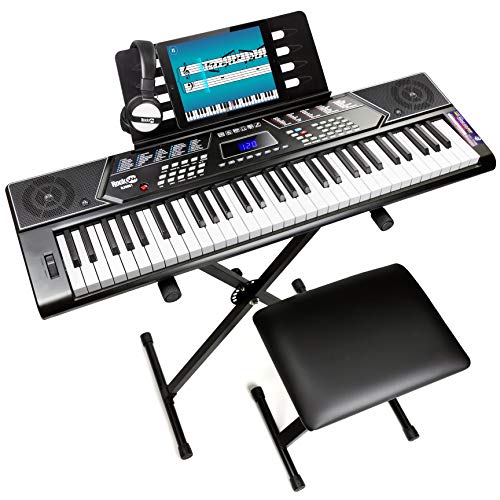
The RockJam 5061 kit combines a 61 full-size key keyboard with educational features and accessories. It supports mains power or battery operation for flexible practice. An LED panel shows 200 rhythms and 200 tones, with a teaching function and 30 demo songs. The unit offers record and playback to layer sounds and an aux input for playing along with other tracks.
RockJam 49 Key Keyboard Piano, Sheet Music Stand, Note Stickers
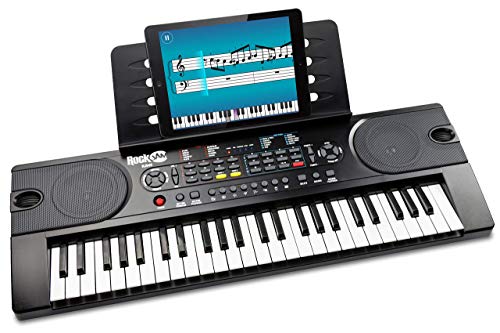
This compact 49-key keyboard targets beginners with a complete learning toolkit. It includes a sheet music stand and note stickers to help kids locate notes quickly. Simply Piano lessons provide guided, step-by-step instruction, making it suitable for early musicians who want structured guidance alongside playtime.
61 Keys Kids Piano Keyboard Toy With Mic

Designed for young beginners, this 61-key toy emphasizes fun and learning. It offers 8 tones, 6 demo songs, 5 rhythms, plus recording and playback functionality. The included microphone and dual speakers make it a versatile choice for kids who enjoy singing along while playing.
BIGFUN Kid Keyboard Piano – 37 Keys

BIGFUN’s 37-key model is a compact, child-friendly instrument featuring multiple tones, rhythms, and built-in percussion. USB power compatibility and a straightforward interface make this a practical starter option for preschool and early elementary players seeking a small, engaging keyboard.
RockJam 61-Key Keyboard Kit With Stand
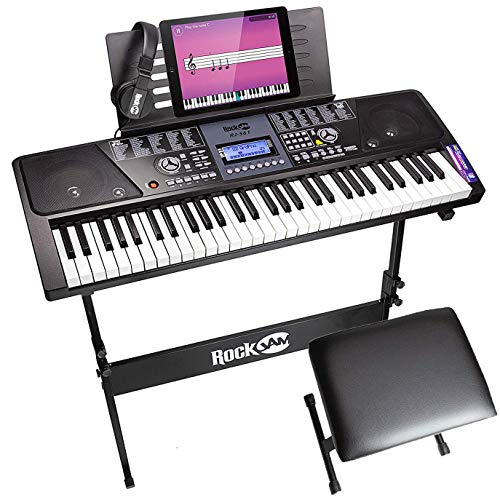
This comprehensive kit packs a 61-key keyboard with a sturdy stand, stool, headphones, and teaching resources. The dynamic LCD display offers access to 100 rhythms and 50 tones, plus 30 demo songs. Recording and playback support helps creators review performances and build layered arrangements for practice.
Buying Guide: How to Choose a Keyboard For Kids
Key purchase considerations ensure you select a model that matches your child’s age, interests, and learning goals.
- Key count and size: For beginners, 49–61 keys provide a full-range feel without overwhelming smaller hands. Larger keyboards suit growing players.
- Learning features: Look for built-in lessons, note stickers, demo songs, and recording capabilities that encourage practice and progress tracking.
- Power options: USB, battery, or mains power can affect where and how your child practices. USB or battery power adds portability for travel or school days.
- Sound and playback: Multiple tones and rhythms keep kids engaged. Recording and playback help review and refine performances.
- Accessories: Stands, stools, sheet music stands, and headsets enhance the learning setup and keep sessions organized.
- Durability and safety: Choose sturdy plastics and rounded edges designed for kids, with age-appropriate features and simple controls.
When deciding between options, consider the child’s current interest (playing melodies, rhythm learning, or karaoke-style play), the space available for a keyboard, and whether you want a portable kit versus a more classroom-style setup. The right mix of educational tools and entertaining features will encourage regular practice while supporting early instrumental development.
Additional Considerations and Comparisons
– Entry-level models with 37–49 keys are ideal for younger children who are just starting to learn basic notes and finger movements. These are lightweight, easy to handle, and often include simple teaching aids.
– Mid-range options with 61 keys provide a more authentic piano feel and room to explore scales and chords as kids grow. They commonly offer more rhythms, tones, and recording features for creative exploration.
– All-in-one kits with stands, stools, and learning resources are convenient for a full practice station. They reduce setup time and help maintain a dedicated space for lessons.