Finding a beginner piano that suits a five-year-old involves balancing portability, kid-friendly features, and engaging learning tools. The following selections focus on 37- to 61-key keyboards designed for early musical development, with built-in rhythms, demos, and approachable setups. Each option helps children explore tones, rhythms, and basic playing concepts while staying safe and durable for everyday use.
| Product | Key Features | Ideal For |
|---|---|---|
| RockJam 61 Key Keyboard | 61 full-size keys, LED panel, 200 rhythms, 200 tones, record/playback, teaching function, demos | Young beginners seeking layered learning tools |
| BIGFUN Kid Keyboard | 37 keys, dual speakers, multiple tones and rhythms, USB power | Entry-level exploration and portable play |
| Dollox 37-Key Keyboard | 37 keys, 8 tones, 22 demo songs, record & playback, compact design | Simple setup for desks or small rooms |
| WOSTOO 61 Keys Keyboard | 61 keys, detachable microphone, 100 rhythms, 50 demo songs, built-in speakers | Interactive play with singing and accompaniment |
| Best Choice 61-Key Electronic Keyboard | LED screen, 255 timbres, 255 rhythms, 32 percussion, teaching modes | Comprehensive practice with guided learning |
Below you’ll find five highly relevant options for young learners, followed by a practical buying guide to help with decision-making. Each product section includes a concise description, key features, and how it supports early music education inside and outside the classroom.
RockJam 61 Key Keyboard Piano Stand With Pitch Bend Kit
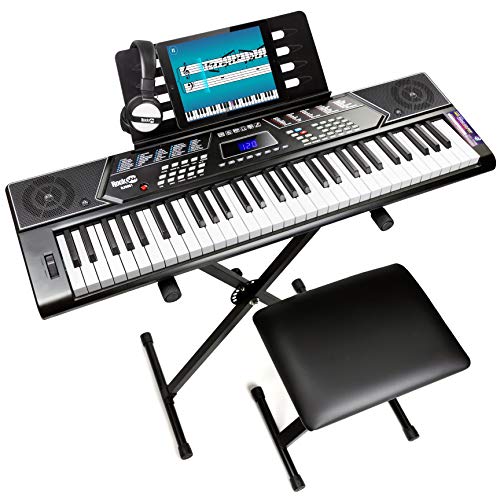
The RockJam 5061 kit combines a 61-key keyboard with a compact, portable design suitable for a child’s learning space. It can run on mains power or batteries, expanding where a child can practice. The LED panel displays rhythms and tones, and a teaching function supports guided practice. A record and playback feature lets kids layer sounds, helping them understand melody and rhythm over time. This setup is ideal for parents seeking an all-in-one, kid-friendly entry into keyboard basics.
BIGFUN Kid Keyboard Piano – 37 Keys

BIGFUN’s toddler-friendly keyboard provides a compact, lightweight option with dual speakers and multiple tones, rhythms, and demo tracks. It supports easy power via USB, making it suitable for travel or casual home use. The feature set encourages repetition and exploration, helping young children connect with music through hands-on play. The keyboard is a practical first instrument for kids who enjoy interactive sounds and basic rhythm lessons.
Dollox Keyboard Piano for Kids, 37 Keys

Dollox offers a straightforward 37-key toy piano with a stool included. It emphasizes easy assembly and compact storage, making it viable for small rooms or apartments. With 37 keys, a basic set of tones and demo songs, and a recording feature, it’s a good starter option for introducing melody and rhythm in a non-intimidating format. Its simple design supports early confidence in pressing keys and creating simple tunes.
WOSTOO Kids Keyboard Piano, 61 Keys

WOSTOO’s 61-key model adds a detachable microphone and a broader range of rhythms and demo songs. The built-in speakers deliver clear sound, and the keyboard supports diverse musical exploration through the included microphone, recording capabilities, and multiple tones. This option suits children who enjoy singing along while playing and who benefit from a more interactive musical experience without stepping up to a full-length piano yet.
Best Choice 61-Key Electronic Keyboard

Best Choice Products offers a comprehensive beginner bundle with a 61-key keyboard, LED screen, and a range of sounds and rhythms. The package includes a stand, music stand, power adapter, padded stool, and a recorder with playback. This setup targets families seeking a more complete practice station in one purchase, encouraging structured practice sessions and a steady progression from basic to more complex pieces.
Buying Guide: Key Purchase Considerations
When selecting a piano for a five-year-old, consider the following factors to ensure a suitable, engaging learning experience:
- Key count and feel: 37 keys are common for beginners and toddlers, while 61 keys offer more room to grow. Look for full-size keys with responsive action to support transitioning to a real piano later.
- Learning features: Built-in rhythms, demo songs, recording and playback, and guided teaching modes help structure practice and track progress.
- Power options: USB or mains power adds flexibility for different spaces. Portable options that run on batteries support practice in unrelated locations.
- Speakers and volume: Dual speakers and volume control prevent overwhelming a young listener while ensuring clear sound for learning.
- Accessories: A stand, bench, or stool enables ergonomic playing posture. A microphone can add interactive singing to lessons, increasing engagement.
- Durability and safety: Rounded edges, sturdy construction, and kid-friendly materials are important for safe use by younger children.
- Growth potential: Consider models with expandable features or learning modes that can accompany a child’s developing musical skills.
- Portability and storage: Compact designs with easy assembly are ideal for small living spaces and frequent moving between rooms or locations.
In selecting the right option, balance the child’s interest with practical needs such as space, maintenance, and the level of guided learning desired. For parents prioritizing a complete home practice setup, bundles with stands and stools can provide a comfortable, enduring practice environment. For families seeking portability and quick setup, 37-key models offer approachable entry points without overcommitting space or cost.