Finding the right play sand for kids involves balancing safety, texture, dust levels, and versatility. This guide highlights five top options designed to support sensory play, fine motor skills, and imaginative building. Each product below is evaluated for cleanliness, usability in sandboxes and tables, and development-friendly features to help parents and educators choose confidently.
Overview of featured products:
- Palmetto Soft Play Sand, Creme Colored, 50 lbs — Soft, low-dust, classroom- and home-friendly.
- Sun Joe Ultra Fine Silica Play Sand, 20 lbs — Natural white, ultra-clean, ideal for sensory tables and molding.
- Sandpiper Multiuse Play Sand, 50 lbs — Washed silica, low-dust, versatile for sand tables and décor.
- Kinetic Sand Beach Sand, 3.25 lbs — Original moldable sand that sticks together for easy cleanup.
- SandPiper Premium Natural White Sand, 25 lbs — Fine texture, washed and screened for safety.
Palmetto Soft Play Sand In Creme Color

Palmetto Soft Play Sand offers endless play possibilities for sandboxes, tables, classrooms, and home decor setups. The sand is designed to be soft, clean, and safe for children, with a focus on minimizing chunky debris and harsh additives. Its low-dust profile helps keep a play area tidy, and the material supports large motor actions like digging, pouring, and scooping—helping kids develop hand-eye coordination while enjoying imaginative exploration.
Sun Joe Ultra Fine Silica Play Sand

Sun Joe produces a premium, ultra-clean white silica sand with a soft, smooth texture suitable for molding, digging, and sculpting. Its versatility extends to sandboxes, sensory tables, gardens, and even aquariums or art projects. This option emphasizes tactile exploration and fine motor development, supporting clear lines of play that promote creativity while maintaining a consistent grain size for predictable results.
Sandpiper Multiuse Play Sand
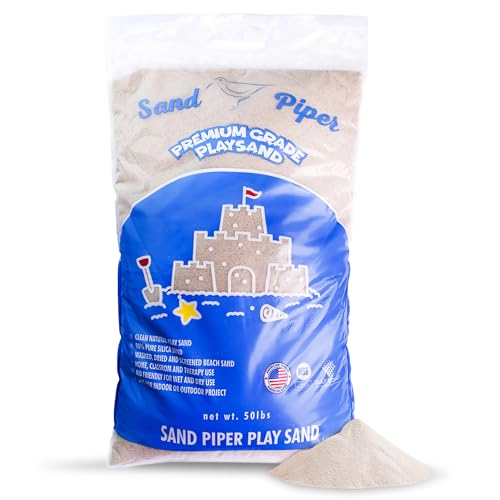
Sandpiper’s 50-pound bag features washed silica for low dust and broad use in sandboxes, tables, or sensory zones. The sand’s clean profile reduces impurities, enabling kids to build, scoop, and sculpt without excessive cleanup. The uniform grain size enhances molding capabilities, supporting both imaginative play and structured activities like sand castle creation or fine-motor craft projects.
Kinetic Sand Beach Sand
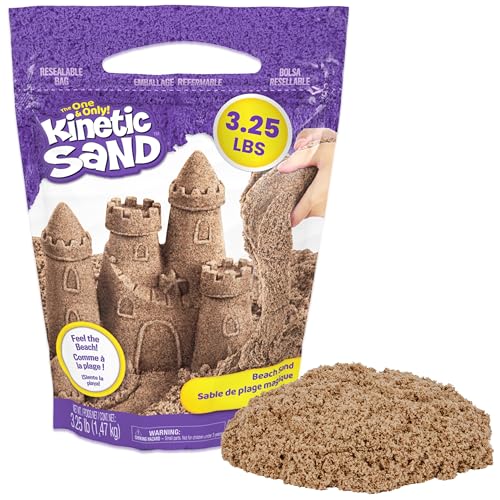
Kinetic Sand Beach Sand is the original moldable sand that sticks together for easy cleanup. Supplied in a resealable bag, it encourages children to create, sculpt, and shape without the mess of traditional sand. Its unique composition helps sand stay playful and reusable, supporting sustained, creativity-rich sessions for ages 3 and up.
SandPiper Premium Natural White Sand

This premium natural white sand by SandPiper is washed and triple-screened for safety, making it suitable for indoor and outdoor play in sandboxes and classrooms. Its soft, fine texture supports delicate building and sensory activities, helping children explore shapes, castles, and fine-motor tasks with less dust and debris than rougher sands.
Buying Guide: Key Considerations For Choosing Play Sand
When selecting play sand, consider safety, texture, dust levels, and context of use. Dust performance matters for sensitive noses and airways, especially in smaller play spaces or therapy environments. A fine, uniform grain enhances moldability and reduces irritation during hands-on activities. Washed and screened sands minimize impurities, which supports safe, long-lasting use in classrooms or homes. For families with allergies or sensitivities, opting for natural white or creme-toned sands can lessen color-related staining risks on clothing and surfaces.
Versatility is another critical factor. Some sands are better suited for sensory tables, while others excel in outdoor sandboxes or decorative displays. If you plan to reuse the sand across projects, a moldable option that sticks together can reduce mess and simplify cleanup. For younger children (ages 3+), sand with a soft texture and low dust improves tactile comfort and safety during playtime. Packaging and storage are practical considerations too; resealable bags or durable bags help maintain sand quality between uses.
Developmental value should guide product choice. Look for sands that encourage fine motor skills through pouring, scooping, and sifting, as well as gross motor activities like building large sand structures. Some products emphasize sensory benefits such as texture exploration and tactile feedback, aligning with early childhood education goals. If you’re using sand in therapeutic contexts, consider options specifically marketed for controlled texture and minimal irritants to support focused sessions.
Environmental and safety notes are important. Ensure the sand is non-toxic and free from harmful chemicals. For indoor play, select low-dust varieties to reduce indoor air particulates. For classrooms or daycare centers, consistently cleaned and washed sands can contribute to a healthier play environment and easier maintenance. Finally, balance cost with longevity; a higher-quality, reusable sand may be more economical over time than cheaper, lower-quality options that generate more waste and mess.
In sum, the best play sand blends safety, texture, and usability. The five products featured above cover a range of textures, dust levels, and use cases—from the soft, low-dust Palmetto Creme Sand to the mix-ready Kinetic Sand and the ultra-clean Sun Joe option. Consider your primary setting, the age of children, and the types of activities you plan to support to select the most suitable product.