Parents and educators seek play sand that’s safe, clean, and highly versatile for sandbox projects, sensory trays, and art activities. The following selections focus on washed, fine-textured sands that are easy to mold and smooth to touch, with low dust and certified non-toxicity. This guide helps you compare top options for home and classroom use, including sensory benefits, durability, and suitability for different play spaces.
Summary of chosen products:
| Product | Brand | Key Benefit | Ideal For |
|---|---|---|---|
| U.S. Silica Large 50 Pound Play Sand | U.S. Silica | Premium-grade, holds shape, easy cleanup | Sandbox, art trays, sensory play |
| Palmetto Soft Play Sand | Play Sand | Low-dust, soft texture | Sandboxes, classrooms, sensory areas |
| Sun Joe Silica Play Sand | Sun Joe | Ultra-fine, natural white | Sandboxes, sensory tables, gardens |
| Sandpiper Multiuse Play Sand | Sandpiper | Washed, low-dust, versatile | Sandbox, sand table, sensory zones |
| Classic Sand and Play Sand | CLASSIC SAND & PLAY | Premium-grade, non-toxic | Indoor/outdoor play, therapy, tables |
U.S. Silica Large 50 Pound Play Sand

Engaging sensory play sand designed for children’s art projects, trays, and sandboxes. This 1-pack of premium-grade sand is non-toxic and free from harmful chemicals, providing a safe play environment. It is white-colored, soft, moldable, and durable enough to hold shapes while remaining easy to clean up.
Palmetto Soft Play Sand – Creme 50 Lbs

Versatile and low-dust, this soft play sand supports long, imaginative sessions in sandboxes, sand tables, classrooms, and home decor setups. It’s clean, safe for children, and free from chunks or harsh additives, promoting secure, error-free play. The sand supports large-motor activities as kids dig, pour, sift, and clean up spills, making play both enjoyable and educational.
Sun Joe Silica Play Sand for Sandbox

Natural, high-quality silica sand with a soft, smooth texture ideal for molding, digging, sculpting, and creative play. Its versatility covers sandboxes, sensory tables, therapy sessions, gardens, aquariums, weighted toys, and art projects, offering tactile exploration and fine motor development for all ages.
Sandpiper Multiuse Play Sand for Kids
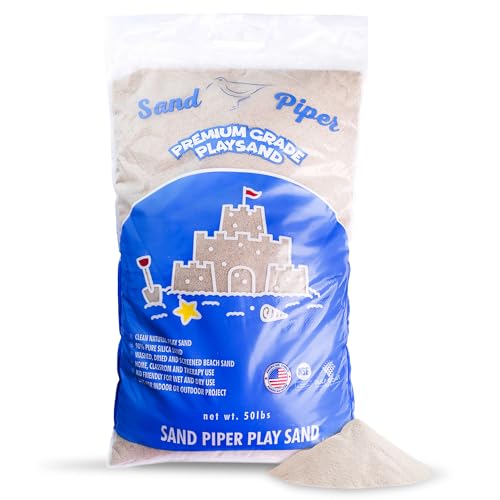
Washed, 99% silica play sand designed to fill sandboxes and inspire creativity. It is dust-minimized for mess-free use and can be used in sand tables, sensory digging areas, or as decorative beach sand. Its uniform grain texture supports smooth molding and high play value for crafts and construction projects.
Classic Sand And Play Sand
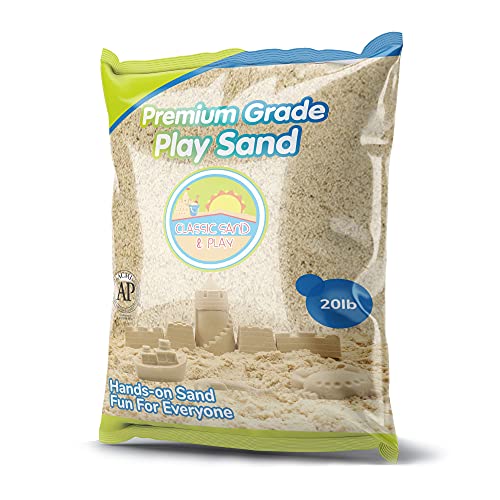
Premium-grade play sand that’s soft, easy to mold, washed, and dried for safety. It’s non-toxic and suitable for indoor and outdoor use, with a focus on stimulating creativity and sensory skills. This sand supports hands-on learning, sand tray therapy, and rich imaginative play in diverse environments.
Buying Guide: Key Purchase Considerations And Comparisons
Texture And Purity
Look for fine, uniform grains free from dust and debris. Sand labeled as washed and screened reduces loose particles and improves moldability, which is essential for building and sculpting activities.
Safety And Certification
Choose non-toxic, child-safe options with clear safety information. Sand that is free from harmful chemicals provides peace of mind for use in classrooms and homes, especially for younger children who explore with their hands and mouth.
Dust Levels And Clean-Up
Low-dust formulas minimize airborne particles and mess after play. Consider products that resist clumping and are easy to sweep or vacuum to maintain a tidy play area.
Versatility And Use-Cases
Most families value sands that work across multiple settings: sandbox play, sensory trays, art projects, and outdoor setups. A versatile sand expands play options and reduces the need for additional materials.
Allergen and Maintenance Considerations
Audiences should consider storage requirements, potential allergen exposure, and how easy the sand is to clean from clothes and surfaces. Some sands are designed to minimize dust and residue on clothing and floors.
Environmental And Packaging Factors
Packaging size (for example, 25–50 pounds) affects storage space and cost per use. Recyclable packaging and responsibly sourced materials may influence preference for particular brands.