Finding classroom-appropriate toys for preschoolers means balancing imaginative play with skill-building. The five selected products below support early literacy, fine motor development, color and shape recognition, and collaborative play. Each item is designed for group settings, easy clean-up, and durability, making them suitable for busy classrooms. Read on to explore practical, educational choices your students can enjoy together.
| Product | Brand | Key Benefit |
|---|---|---|
| POTATO HEAD Create Your Family Set | Mr. Potato Head | Encourages imaginative family play & social interaction |
| Learning Resources Mini ABC Pops | Learning Resources | Alphabet recognition, phonics, and fine motor practice |
| Learning Resources Farmer’s Market Color Sorting Set | Learning Resources | Color sorting, vocabulary building, pretend play |
| Joyin Play Food Set | JOYIN | Pretend kitchen play with color and category sorting |
| Play-Doh Bulk Pack | Play-Doh | Mess-free sculpting, fine motor skills, classroom prizes |
Each product below includes a concise overview, how it supports learning objectives, and practical classroom considerations like storage and group use. The selections emphasize hands-on, collaborative activities that keep young learners engaged during centers, circle time, and station rotations.
POTATO HEAD Create Your Family Set

The POTATO HEAD Family Set includes 44 parts to mix and mash, allowing students to imagine diverse family configurations. With 2 large potato bodies and 1 small, classrooms can facilitate collaborative storytelling and narrative building. Accessories such as hats, hairstyles, and mustaches promote creative expression and social interaction as groups work together to assemble characters.
Learning Resources Mini ABC Pops

Mini ABC Pops introduce uppercase and lowercase letters with pictures beneath. The set supports letter recognition, color matching, and early phonics. Children can sort, match, and build vocabulary in small groups or center activities, reinforcing literacy concepts through tactile play and visual cues.
Learning Resources Farmer’s Market Color Sorting Set
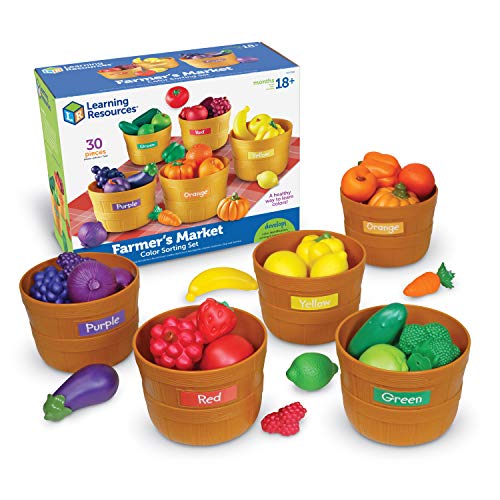
This color-sorting set helps students recognize colors and categorize items using realistic play food. The included bushel baskets provide a tangible way to practice sorting, sequencing, and vocabulary expansion as children name foods and describe attributes, which aligns with early math and language objectives in preschool curricula.
JOYIN Educational Toys Play Food Set

Joyin’s pretend food collection supports dramatic play in classroom kitchens or markets. With multiple fruits, vegetables, and meats organized in baskets, students can sort by color or category and practice conversational language and cooperative play as they bargain, cook, and share pretend meals.
Play-Doh Bulk Pack

Play-Doh offers 48 cans across six colors, ideal for classroom creativity stations and group prizes. The squishy material supports fine motor development, hand strength, and creative expression. Teachers can implement color-themed activities, tracing shapes, and collaborative sculpture projects that fit a multitude of preschool standards.
Buying Guide: Key Purchase Considerations
- Learning goals alignment: Choose toys that reinforce literacy, math concepts, and social-emotional skills relevant to your curriculum.
- Durability and cleaning: In classroom settings, select sturdy, easy-to-clean items to withstand frequent use and shared access.
- Group usability: Favor items that support collaboration, turn-taking, and center rotations without creating logjams.
- Storage and organization: Look for compact shelving or bins that categorize by activity (letters, colors, foods) for quick setup and cleanup.
- Safety considerations: Ensure age-appropriate materials with non-toxic paints, rounded edges, and no small parts for younger preschoolers.
- Inclusivity and accessibility: Add multi-sensory options and adjustable activities to accommodate diverse learners and classroom contexts.
Incorporating these toys into daily routines—circle time games, center rotations, and themed learning weeks—can help schools meet early learning standards while fostering curiosity, collaboration, and confidence in young students. Teachers can tailor activities around each product to maximize impact and manage classroom flow.