For aspiring pilots, choosing the right Ready-To-Fly (RTF) RC plane is crucial for a smooth, confidence-building learning curve. The following selections emphasize stability, beginner-friendly controls, and dependable safety features, helping new flyers gain experience before moving to more advanced models. Below is a quick overview of five top options, followed by in-depth product insights and a practical buying guide.
| Product | Brand | Key Feature |
|---|---|---|
| AeroScout S 2 | HobbyZone | SAFE technology for crash prevention |
| P-51D Mustang | VOLANTEXRC | 3 flight control levels with gyro stabilization |
| Sport Cub 500 S2 | RCSHOBBY | Three flight levels and gyro stabilization |
| Carbon Cub S 2 | HobbyZone | SAFE technology, beginner to advanced modes |
| Spitfire 3-channel | VOLANTEXRC | 6-axis gyro stabilizer for beginner-friendly flights |
HobbyZone AeroScout S 2 1.1m RTF Basic

The HobbyZone AeroScout S 2 is designed as a durable, easy-to-fly trainer for first-time pilots and instructors. It includes SAFE technology to reduce crashes and simplify learning. With adaptable flight modes—beginner, intermediate, and experienced—learners can progress without needing a new airframe. The airframe features stable flight characteristics suited to classrooms and backyard practice alike, making it a versatile entry point into RC aviation.
VOLANTEXRC P-51D Mustang 4 Channel RTF

This 4-channel RC plane from VOLANTEXRC is tailored for beginners and progressive pilots. Its Xpilot gyro stabilizer and three flight-control levels (beginner, intermediate, expert) provide a stepped learning path from stable hover to complex aerobatics. The P-51D Mustang is designed to handle gentle winds and growing pilot confidence, offering a smooth transition from initial flights to more dynamic maneuvers as skills improve.
VOLANTEXRC New Version RC Plane with 3 Flight Modes

This 4-channel RC plane emphasizes durability with a foam construction and a protective propeller system. It offers three flight modes to grow with the pilot, from basic stabilization to more advanced control. The comprehensive accessories kit supports beginners starting fresh, while the design supports longer flights and stable performance even in mild winds, helping new pilots practice precise steering and consistent landings.
RCSHOBBY Sport Cub 500 S2 RC Airplane

This Ready-To-Fly aircraft uses lightweight EPP foam and an Xpilot gyro stabilization system to deliver stable flight. It features three flight levels—beginner with full assist, intermediate with partial assist, and expert manual control—making it suitable for gradual skill-building. Its efficient gear train improves power delivery for longer flights, helping beginners focus on tracking and smooth control rather than constant trimming.
MATHSLICE RC Airplane 2.4Ghz 2 Channels

The MATHSLICE 2-channel RC plane offers a lightweight design with a 2.4GHz radio for reliable control. Weighing about 38 grams and made from EPP foam, it’s suited for indoor or sheltered outdoor use. With a flight time around 10 to 15-20 minutes on a typical charge, this plane provides a gentle introduction to flight dynamics and basic maneuvering for new pilots exploring surface stability and simple climbs or turns.
HobbyZone Carbon Cub S 2 1.3m RTF Basic

The Carbon Cub S 2 stands out as a capable, versatile trainer inspired by CubCrafters’ iconic design. It combines a reliable SAFE technology platform with multiple flight modes—beginner, intermediate, and experienced—allowing pilots to grow while maintaining controlled flight characteristics. The 1.3m wingspan provides steady lift and forgiving handling, making it a popular option for students who want a scale look with approachable performance.
LEAMBE Brushless 4 Channel RC Plane F4U Corsair
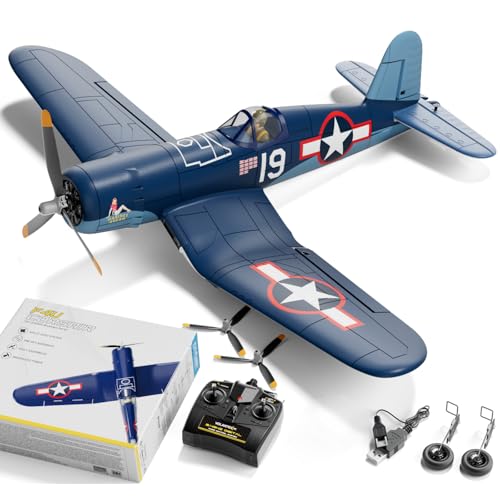
The LEAMBE RC Plane emphasizes a broad skill range with three levels of flight control assistance. A brushless motor delivers strong power, while features like spring-loaded landing gear and maintenance ports support long-term reliability. Its realistic cockpit details and 4-bladed propeller enhance the visual appeal and overall flight experience for beginners who want a more immersive experience with room to advance into manual control as confidence grows.
VOLANTEXRC Spitfire 3 Channel RTF

Designed to replicate a WWII Spitfire with 2.4GHz radio and 6-axis gyro stabilization, this beginner-friendly model supports a straightforward learning curve. Its 400mm wingspan and dual rechargeable batteries provide decent flight times, while the gyro helps smooth out day-to-day handling. It’s a compelling option for newcomers seeking a classic aircraft silhouette with reliable stability and simple piloting.
Buying Guide: Key Purchase Considerations
When choosing an RC plane for beginners, consider a mix of stability, safety features, and progress opportunities. The following factors help compare options across brands and models:
- Flight stability and assist modes: Look for models with gyro stabilization and multiple flight modes (beginner, intermediate, expert). These features ease new pilots into maneuvering and gradually increase control complexity as skills grow.
- Safety features: SAFE technology or equivalent stabilization minimizes crashes and makes recovery easier, supporting sustained practice sessions and reduced frustration for learners.
- Durability and materials: Foam construction and protected propellers reduce damage during early inevitable nose-overs and rough landings, keeping costs low and flights frequent.
- Size and flight environment: Larger airframes often offer steadier flight in light winds but require more space. Beginners should start in open, unobstructed areas with calm weather.
- Battery life and charging: Consider typical flight times and how quickly you can recharge. Longer flights mean more practice per session, but heavier planes may demand more space and power.
- Ease of assembly and maintenance: Pre-assembled or minimal-assembly models help newcomers start flying quickly. Look for planes with accessible maintenance ports and simple part replacements.
- Expandability: Some models scale up with new features or more capable controllers. This helps learners stay engaged as skills improve without buying a new plane.
- Spare parts availability: Readily accessible spare parts reduces downtime and keeps practice consistent, especially for beginners who may experience more wear and tear.
For first-time flyers, prioritize models with strong stability, forgiving handling, and a clear learning progression. If you expect to teach others or plan structured practice, trainers with instructor-friendly modes and robust safety systems are especially advantageous. Balancing budget, space, and learning goals will guide you toward the best fit among the top beginner RTF RC planes listed above.