Classroom environments that support movement can boost focus and engagement for students with sensory needs, ADHD, autism, or attention challenges. The following hand-picked sensory chairs and related seating tools are designed to promote calm, balance, and productive participation. Each option supports active learning while giving students space to wiggle, rock, or lean in a controlled way. Below, you’ll find a quick product snapshot, followed by deeper sections for five top picks and a comprehensive buying guide.
| Product | Brand | Key Benefit | Image | Link |
|---|---|---|---|---|
| Ted Kangaroo Sensory Soft Squeeze Seat | Ted Kangaroo | Full-body compression with rocking motion for calm and focus |  |
View Product |
| GoSports 18 Inch Wobble Chair | GoSports | 360-degree wobble for active focus and balance |  |
View Product |
| BouncyBand Sit & Twist Active Seat Cushion | Bouncy Bands | Rotating pivot disc for silent, controlled movement |  |
View Product |
| Trideer Inflated Wobble Cushion | Trideer | Balance-friendly cushion for focus and posture | 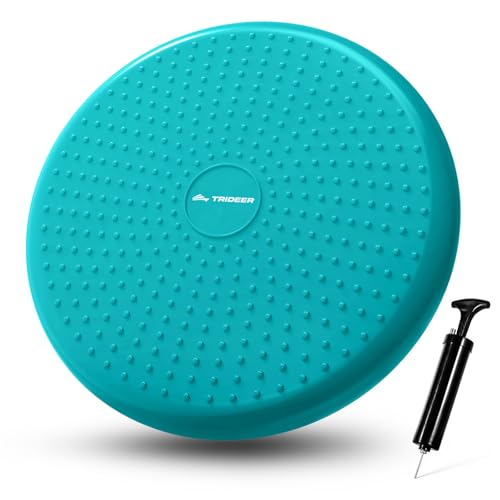 |
View Product |
| Ted Kangaroo CloudBalance Sensory Chair | Ted Kangaroo | Flexible, multi-usage seating that supports focus and movement |  |
View Product |
The following sections spotlight five top picks for classroom settings, with each product’s core features drawn from its listed specifications. Each entry includes a concise overview, suitability notes, and practical use considerations for educators and caregivers.
TED Kangaroo Sensory Soft Squeeze Seat
The Sensory Soft Squeeze Seat provides a calming, full-body compression with a gentle rocking motion. It supports emotional regulation for children with sensory needs, autism, ADHD, or focus challenges. The seat is designed for use during quiet time, reading, or seated activities in classrooms or therapy spaces. Its soft cover and compact form offer a non-disruptive option for group settings while giving students a predictable sensory input to help refocus attention.
GoSports 18 Inch Wobble Chair
This 18-inch wobble chair supports 360-degree movement, enabling kids to wiggle and tilt without leaving the seat. It’s particularly helpful for students who need subtle movement to maintain focus. A textured footrest provides sensory input for fidgety feet, while a non-slip base and sturdy construction minimize safety concerns in busy classrooms. The chair’s portability makes it easy to rotate seating options across reading corners or centers.
BouncyBand Sit & Twist Active Seat Cushion
The Sit & Twist cushion features a patent-pending 120-degree pivot disc that allows silent twisting and turning. The non-skid base keeps the cushion secure on chairs or floors, promoting focused activity without causing distractions. This option supports active seating for students who benefit from movement while working on tasks, making it suitable for language centers, math stations, and independent work time.
Trideer Inflated Wobble Cushion
The Trideer wobble cushion offers a thick, inflatable balance disc designed to absorb movement and support posture. It helps children stay focused during reading or desk work by providing a stable yet flexible seating surface. The cushion also lends itself to balance training activities during brain breaks or physical education transitions, promoting core engagement while seated.
Ted Kangaroo CloudBalance Sensory Chair
The CloudBalance Sensory Chair is designed to encourage focus through rocking, leaning, and micro-movements. Its versatile form supports upright sitting, side rocking, or even playful uses like sliding, making it adaptable to various learning activities. It aims to promote motor skills, spatial awareness, and creativity while maintaining a stable seating option for students who need ongoing sensory input during lessons.
Buying Guide: Key Purchase Considerations
When selecting sensory seating for a classroom, consider the following factors to align with learning goals and safety needs:
- Movement type and sensory input: Choose chairs that match your students’ movement preferences, such as rocking, spinning, twisting, or compressive input.
- Age and size range: Ensure the seat dimensions and weight capacity are appropriate for your students and classroom layout.
- Durability and cleaning: Look for easy-to-clean covers, durable frames, and materials that withstand daily use and classroom wear.
- Stability and safety: Check bases, non-slip features, and weight limits to minimize tipping risks in a busy classroom.
- Adjustability and versatility: Multi-use seating that adapts to desks, reading corners, and therapy spaces offers better long-term value.
- Noise level: Silent or low-noise components help prevent classroom disruptions during focused work.
- Maintenance and replacement parts: Consider availability of replacement covers, cushions, or bases if parts wear out.
- Cost and per-student value: Weigh price against expected usage, durability, and potential reductions in off-task behavior.
Considerations From Multiple Perspectives
Educators view sensory seating as a tool to support self-regulation and on-task behavior without removing students from the classroom setting. Parents may seek options that provide safe, durable, and visually appealing seating for at-home practice or therapy spaces. Occupational therapists often prioritize sensory input quality, focusing on proprioceptive and vestibular feedback. Classroom administrators weigh the long-term impacts on space planning and furniture turnover. A balanced approach combines evidence-based seating choices with clear routines and movement breaks to maximize learning outcomes.