Finding a safe, calming space for children who benefit from sensory input can help with focus, self-regulation, and anxiety reduction. This article highlights five top sensory tents designed for kids, with features like blackout fabric, LED lights, and portable pop-up design. Each option supports quiet exploration, imaginative play, and easy setup in homes, classrooms, or therapy rooms. Below you’ll find quick product insights and a buying guide to compare key considerations.
| Product | Brand | Size / Space | Key Features |
|---|---|---|---|
| Special Supplies Blackout Sensory Tent | Special Supplies | Compact to mid size with fiber optic lamp | Dark space, calming environment, fiber optic light play |
| Cwsk Sensory Tent | Cwsk | 1m cube footprint | CPC certified, full blackout, dual windows |
| L’Arche Sensory Tent | L’Arche | Regular 35.5” cube | LED lights with remote, two windows, portable |
| Dreamtrue Sensory Tent | Dreamtrue | 30.7” x 30.7” x 34.6” | Full blackout, instant pop-up, light-friendly play |
| OUTREE Sensory Tent | OUTREE | 47” x 47” x 47” | Large space, two-sided window, cozy den |
Special Supplies Blackout Sensory Tent Review

The Special Supplies blackout sensory tent provides a private, dark space ideal for relaxation, reading, or quiet play. Its pop-up design ensures quick setup, while the included fiber optic lamp and glow-in-the-dark blanket create a soothing, immersive environment. The tent’s spacious interior accommodates pillows and toys for a personalized calm corner. This option emphasizes a dark, comforting atmosphere that can help children unwind during peak sensory moments.
Cwsk Sensory Tent With Safe, Calm Space

This CPC-certified tent offers a safe sensory space with a fully enclosed design to help reduce overstimulation. The blackout feature blocks most external light, enabling quiet time for children who benefit from calming environments. Dual accessible windows allow light adjustment and easy caregiver supervision. The 1-meter cube footprint supports a compact, portable calm-down area suitable for classrooms or bedrooms.
L’Arche Sensory Tent With LED Lights
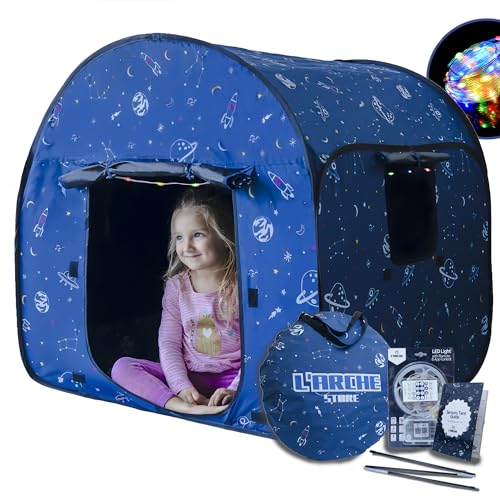
L’Arche’s sensory tent blends a blackout interior with multicolor LED lighting and a remote control for ambiance customization. It’s designed for autism, ADHD, SPD, and anxiety, offering a private space for decompression at home or in therapy settings. Two inner pockets and dual windows support organization and airflow, while battery-powered lights keep the tent portable and safe for various locations.
Dreamtrue Portable Sensory Tent For Focus

Dreamtrue’s tent emphasizes full blackout design and easy portability. The 30.7” x 30.7” footprint provides a compact retreat that can be deployed quickly for calming activities, reading, or quiet play. It’s especially suitable for spaces where a quick, affordable sensory corner is beneficial, such as classrooms or small bedrooms. The design supports light toys and projections without distraction in a contained setting.
OUTREE Starry Night Sensory Tent

OUTREE offers a spacious, 47x47x47 inch sensory tent designed to house multiple children or a larger sensory setup. Its two-sided windows enable flexible airflow and light control, while the dark interior supports a calming, cocoon-like atmosphere. The generous space makes this option ideal for group activities, shared therapy spaces, or families who want a larger personal den for downtime and imaginative play.
ODOXIA Mini Sensory Tent For Quiet Play
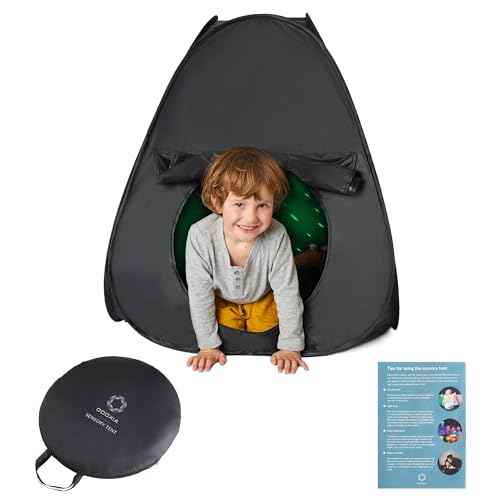
The ODOXIA mini tent focuses on a quiet, contemplative space with a complete blackout design. While smaller, it suits children who benefit from a private nook for reading, relaxation, or sensory exploration. This option emphasizes a low-stimulation environment, which can support focus and self-regulation, particularly for younger children or those new to a sensory routine.
Ultrapopp Big Pop-Up Sensory Den

Ultrapopp’s extra-large tent offers a 47×47 inch footprint with full blackout interior, a roll-up door, and an included bag for portability. This space is designed to help children calm down, self-regulate, and feel secure in a personal hideout. The large size supports multiple sensory activities, including light toys, plushes, and cushions to create a customized calm corner.
Parkside Wind Kids Pop-up Sensory Tent

Parkside Wind’s pop-up design targets classrooms and homes needing a calm, distraction-free space. The blackout fabric supports sustained focus, while the included cognitive toys promote tactile learning and exploration. The tent’s simple setup and sensory toy assortment make it a practical option for schools or households seeking an approachable, durable calm corner.
Buying Guide: Key Purchase Considerations
Choosing the right sensory tent requires assessing space, safety, and intended use. Here are essential factors to compare:
- Size and layout: Measure available room and consider whether one child or multiple children will use the tent at once. Larger tents offer group play, while compact options fit small rooms or therapy spaces.
- Light and blackout features: Full blackout fabric helps reduce distractions; LED lights or fiber optics add gentle visual stimuli for calming play. Consider remote controls for ambiance tuning.
- Portability and setup: Pop-up designs provide quick deployment and easy storage. Look for lightweight materials and included carrying bags if you plan to move the tent between rooms or locations.
- Safety certifications: CPC certification or equivalent indicates attention to child safety. Check fabric quality, zippers, and seam construction for durability.
- Accessories: Some tents include sensory toys, blankets, or lanterns. Decide if you want an all-in-one solution or prefer to customize with your own tools and lighting.
- Durability and care: Machine-washable fabrics or easy-clean interiors are practical for active use. Consider fabrics that resist wear from frequent setup and takedown.
- Age range and accessibility: Ensure the tent size is appropriate for the child’s age and mobility. Feature-rich tents (windows, pockets) can help with organization and independent play.
Comparative Perspectives
For homes prioritizing deep calming spaces, larger tents with dual windows and full blackout are advantageous. In classrooms or clinics, compact designs with quick setup and safety certifications may be preferable. If you need light-based stimulation, LED-lit interiors or fiber optic options offer engaging sensory experiences. Consider whether you want a solitary hideaway or a shared play den to accommodate siblings or peers.
Maintenance and Safety Tips
Keep tents clean by following care labels—spot-clean or machine wash when appropriate. Store in a dry, cool place to prevent mold and fabric deterioration. Regularly inspect seams, zippers, and lighting components for signs of wear. Supervise young children during use, especially with lights and small accessories that could be a choking hazard.