Discover engaging STEM-inspired toys that support early cognitive growth, fine motor skills, and sensory exploration for 12-month-olds. The following selections emphasize safe materials, simple cause-and-effect play, and age-appropriate learning experiences. Each product pairs hands-on fun with foundational skills like recognition, language, and motor coordination.
| Product | Brand | Key Benefit |
|---|---|---|
| LeapFrog Learning Friends 100 Words Book | LeapFrog | Word recognition with sound effects and songs |
| Infantino Press & Stay Sensory Blocks | Infantino | High-contrast blocks for sensory and motor play |
| Iabedi Busy Board | Iabedi | Fine motor practice with switches and lights |
| Kidoozie Ball Drop | Kidoozie | Cause-and-effect and sensory interaction |
| Learning Resources Spike The Fine Motor Hedgehog | Learning Resources | Fine motor development with tactile quills |
The following sections highlight each product’s features and how they support developmental milestones for one-year-olds. All choices are designed to be safe, engaging, and age-appropriate for early STEM exposure.
LeapFrog Learning Friends 100 Words Book
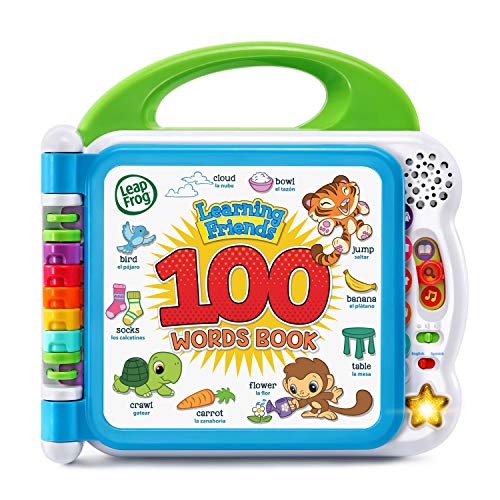
The LeapFrog Learning Friends 100 Words Book introduces more than 100 words across varied categories like pets, animals, food, colors, and activities. The interactive pages respond to touch, playing words, sound effects, and fun facts, while a light-up star button lets children hear the Learning Friends theme song and a favorite word. This toy supports early vocabulary development, listening skills, and cause-and-effect understanding through touch and audio feedback.
Infantino Press & Stay Sensory Blocks

These 24 colorful blocks feature high-contrast colors and interesting textures, designed for easy cleaning and long toddler-friendly use. The simple press-and-stay design encourages early manipulation, helping babies develop hand strength, spatial awareness, and tactile discrimination. As babies press, stack, and pull apart blocks, they practice problem-solving and fine motor coordination in a safe, engaging way.
Iabedi Busy Board Plus V2

This Montessori-inspired busy board features 10 switches with LED lights in different colors and styles, plus a master power-off switch to conserve battery use. It fosters cause-and-effect understanding, color recognition, and hands-on problem-solving. Lightweight and portable, it suits travel and varied environments, supporting curious toddlers as they explore simple electronics and textures.
Kidoozie Ball Drop

The Kidoozie Ball Drop is a multi-level tower with colorful tracks and falling balls. The design supports early cause-and-effect learning as children observe where balls exit each level. The accompanying rattling sounds capture attention while promoting hand-eye coordination and fine motor precision as babies guide balls through the ramps and slots.
Learning Resources Spike The Fine Motor Hedgehog
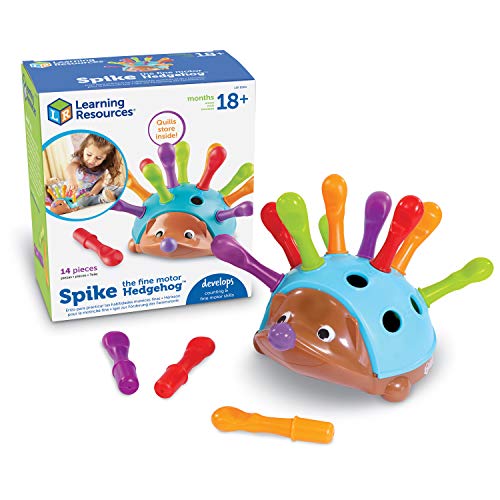
Spike The Fine Motor Hedgehog focuses on developing core fine motor skills through colorful quills that children remove and replace. The toy evolves with the child, helping with color recognition, counting, and pattern matching as preschoolers grow. The textured quills provide tactile stimulation that supports concentration and hand control during manipulation tasks.
Buying Guide
- Developmental fit: Choose toys that align with the child’s motor skills and attention span. For 12-month-olds, look for simple actions (press, pull, stack) that reward with auditory or visual feedback.
- Safety considerations: Ensure non-toxic materials, rounded edges, and no small parts that pose choking risks. Check age recommendations and inspect for durability.
- Sensory engagement: Prefer toys with bright colors, varied textures, and sounds to stimulate sight, touch, and hearing, supporting multisensory learning.
- Language and cognitive growth: Toys that label objects, offer word exposure, or present cause-and-effect scenarios help early language development and reasoning.
- Portability and maintenance: Lightweight, easy-to-clean designs work well for travel and everyday use. Consider ones that parents can easily wipe or sanitize.
- Durability and adaptability: Toys that grow with the child, offering multiple activities or levels, extend usefulness beyond a single stage of development.
- Educational balance: While STEM-oriented, these toys should also encourage imaginative play and social interaction when possible, providing a well-rounded learning experience.
- Budget and practicality: Compare build quality, included features, and longevity. Higher-quality options may provide better long-term value.