Choosing the right chair is essential for long sessions in tattoo studios. The following selections focus on ergonomic support, durable materials, easy mobility, and reliable height adjustment to help artists work efficiently and clients stay comfortable. Each option below is designed for studio use, from small spas to high-traffic shop floors, and includes features that support extended sessions without sacrificing precision or safety.
Summary of selected products:
| Product | Brand | Key Features | Height Range | Load Capacity |
|---|---|---|---|---|
| OmySalon Rolling Stool with Wheels | OmySalon | Heart-shaped ergonomic seat, 350 lb capacity, five 360° wheels | 19.2″–24.4″ | 350 lbs |
| Antlu Saddle Stool with Back Support | Antlu | Backrest tilting 80°–110°, swivels, ergonomic saddle design | Not specified (saddle height range typically broad) | Not specified |
| JZsmpmu Tattoo Chairs | JZsmpmu | Adjustable panel height, backrest up to 90°, 400 lbs capacity | 17″–24″ | 400 lbs |
| KKTONER PU Leather Round Rolling Stool | KKTONER | 22–23″ seat, hydraulic lift, 360° swivel | 19.2″–25.2″ | 250 lbs |
| BFTOU Black Square Minimalist Swivel Stool | BFTOU | Back support option, adjustable height, sturdy base | 19.3″–25.4″ | 300 lbs |
OmySalon Rolling Stool With Wheels

Designed for comfort during long sessions, this stool features an ergonomic heart-shaped seat with a 3.1″ thick, high-density rebound sponge. The 350 lb capacity provides durable support for varied body types. A built-in hydraulic lift adjusts seat height from 19.2″ to 24.4″, enabling precise alignment with clients and work surfaces. Five 360-degree swivel casters ensure smooth, tangle-free movement across salon floors, making it a practical choice for tattoo artists who need to glide between clients without disruption.
Antlu Saddle Stool With Back Support

The Antlu saddle chair emphasizes ergonomic support with a backrest and a design that reduces pressure on the spine. The tilting backrest allows adjustment between 80° and 110°, accommodating different working angles and artist preferences. Swivel functionality enables easy transitions across workstations, while its overall form supports sustained postures during intricate tattooing tasks. This model is suitable for studios prioritizing back health and easy maneuverability in tight spaces.
JZsmpmu Tattoo Chairs
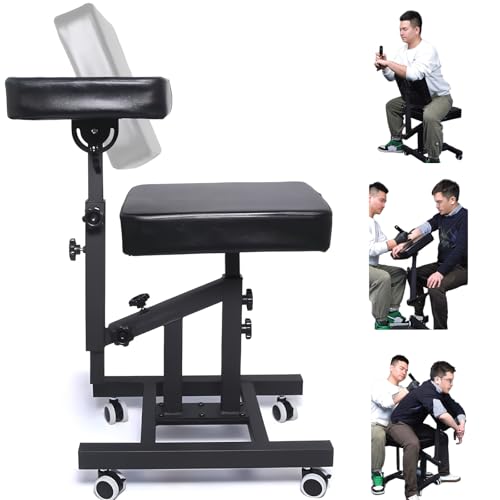
JZsmpmu offers a versatile chair designed for multiple uses in tattoo environments. It features a sturdy metal frame, heavy load capacity (up to 400 lbs), and adjustable height from 17″ to 24″, enabling comfortable seating for artists and clients alike. The backrest can be rotated and angled up to 90 degrees, allowing artists to position clients precisely for different tattoo areas. This chair also supports movement through its wheels, helping staff reposition without strain during long sessions.
KKTONER PU Leather Round Rolling Stool

KKTONER combines a compact round seat with a footrest and hydraulic height adjustment to a versatile 19.2″–25.2″ range. The 13.3-inch diameter seat with a 2.6-inch thickness focuses on comfort without occupying excessive floor space, beneficial for crowded tattoo studios. The stool swivels 360 degrees for easy access to different work areas, and a 250 lb maximum load helps accommodate a wide range of users. Quick assembly makes it a practical upgrade for busy shops.
BFTOU Black Square Minimalist Swivel Stool

This BFTOU model emphasizes a minimalist design with a backrest option and height adjustability from 19.3″ to 25.4″. The back support and sturdy base help maintain posture during long sessions, while the 300 lb capacity provides robust support for various users. It offers a stable, cost-effective option for studios seeking a streamlined stool that still delivers essential adjustments and mobility.
Buying Guide: Key Considerations for Tattoo Artists
- Ergonomic design and back support: A chair with a contoured seat, backrest options, and tilt adjustments can reduce fatigue during extended sessions. Saddle stools are popular for minimizing spinal strain, but backrests can help when clients require different seating angles.
- Height adjustability: Accurate height control ensures optimal alignment with tables and client positioning. Hydraulic lift systems and gas springs typically offer smooth, precise changes, which facilitates better control over needle depth and line work.
- Weight capacity: Choose models that can accommodate the artist and client combined weight, especially for adjustable stools used across varied body types and client sizes.
- Mobility and floor protection: Five-wheel, 360-degree casters enable effortless movement between clients. Look for soft wheels or floor-appropriate casters to protect studio floors and reduce noise.
- Upholstery and cleaning: PU leather or easy-to-clean fabrics help maintain hygiene between clients. Waterproof, stain-resistant materials simplify sanitizing between appointments.
- Durability vs. price: Higher load capacities and premium materials typically correlate with longer service life in busy studios. Balance initial cost with expected longevity and maintenance.
- Assembly and space: Some stools require more assembly time. Consider available space and the ease of maneuvering the chair in tight shop areas.
- Versatility: Some chairs are designed for multiple uses (esthetics, massage, barbering, tattooing). If a chair supports various tasks, it can offer added value for multi-service facilities.
- Warranty and support: A solid warranty and responsive customer service can reduce downtime due to part replacements or repairs.
When selecting a chair, align features with your studio workflow: back support for clients needing longer sessions, ergonomic seats for artists who work long shifts, and mobility for seamless transitions between stations. The options above provide a spectrum of ergonomic designs, from saddle stools to full backrest chairs, to fit different practice styles and space constraints.