Finding a reliable toddler carrier for a 3-year-old involves balancing support, weight limits, and comfort for both child and caregiver. The options below highlight carriers with roomy seating, adjustable fits, and breathable materials to help families enjoy outings without relying on a bulky stroller.
| Product | Brand | Weight Range | Highlights |
|---|---|---|---|
| LÍLLÉbaby CarryOn Airflow | LILLEbaby | 25-60 lbs | Ergonomic 3-in-1, lumbar support, breathable mesh |
| Beco Toddler Carrier | Beco | 20-60 lbs | 100% cotton, hip-healthy, detachable hood |
| Oblitor Baby Carrier | Oblitor | 25-60 lbs | Adjustable, breathable fabric, all-season |
| SCXinnkeer Hiking Carrier | SCXinnkeer | 3-12 years (up to 100 lbs) | Triple safety, back support, lightweight |
| Besrey Baby Backpack Carrier | besrey | 16-40 lbs | 5-point belts, sunshade, lightweight |
Note: Each product image and description reflects typical features for carrying a 3-year-old. When selecting a carrier, consider your child’s height, torso length, and how you plan to use the carrier (short walks vs. longer hikes or travel). The following sections detail five relevant options with direct product links and key features.
LÍLLÉbaby CarryOn Airflow
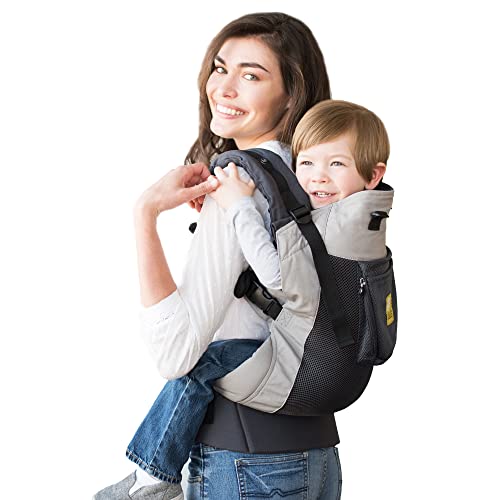
The LÍLLÉbaby CarryOn Airflow offers a roomy design suited for growing toddlers, with a wider and taller torso to support proper hip positioning. It is stroller-free and supports children up to 60 pounds, allowing caregivers to carry their child comfortably in spaces where strollers aren’t allowed. Its adjustable side panels widen and narrow the seat, enhancing hip alignment, and the mesh panels provide breathability for warm days. The CarryOn is designed for longer-lasting use as a toddler carrier while maintaining ergonomic support for caregivers.
Beco Toddler Carrier With Extra Wide Seat

The Beco Toddler Carrier is built for long-wearing comfort with a soft 100% cotton fabric and an extra-wide seat designed for toddlers up to 60 pounds. It includes a detachable hood and a back panel that conforms to a child’s back, along with multiple pockets for essentials. Its hip-healthy alignment and even weight distribution help reduce back and shoulder strain, making it a practical option for children who want to be carried on hikes or during travel days.
Oblitor Baby Carrier Newborn To Toddler

The Oblitor carrier supports a wide age range from newborn to toddler (25-60 pounds) with adjustable shoulder straps and a waist belt to customize fit for growing children. It emphasizes breathable, high-quality materials to maintain comfort in varied climates and includes multiple usage configurations—from simple front-carry to extended wear modes—suiting shopping trips or travel.
SCXinnkeer Hiking Carrier For Older Children

Designed for older children aged 3-12, this hiking carrier supports up to 100 pounds and features a compact 1.2-pound frame. It emphasizes safety with a chest harness, dual hip belts, and secure fasteners, making it a strong option for short climbs or park adventures where you need extra support without a full-size backpack carrier. The lightweight design allows quick transitions between walking and riding as needed.
Besrey Baby Backpack Carrier

The Besrey backpack carrier balances safety and versatility with 5-point harnesses and an adjustable sunshade to shield against sun, wind, or rain. It weighs about 5.5 pounds and supports children from 16 to 40 pounds, offering a foldable frame design for easy storage and transport. Its breathable materials and comfortable fit are suitable for day trips, hiking, or airport travel where lighter-weight gear is preferred.
Buying Guide: Key Purchase Considerations
When choosing a toddler carrier for a 3-year-old, several factors influence comfort and safety:
- Weight capacity and growth range: Ensure the carrier supports your child’s current weight and can accommodate continued use as they grow.
- Seat width and hip positioning: A wide, ergonomic seat helps maintain a healthy M-position for the hips and reduces strain on your back.
- Back support and posture alignment: Look for carriers with lumbar or back support and adjustable straps to tailor fit to your torso length.
- Breathable materials: Mesh panels and breathable fabrics prevent overheating on warm days and during extended use.
- Ease of use and versatility: Consider carriers with simple adjustment mechanisms, multiple wearing positions, and quick transitions between front and back carry.
- Weight and portability: For travel, a lighter carrier or one with a compact foldable design can be advantageous.
- Safety features: Chest-harness, secure buckles, and sturdy hip belts help protect the child during movement on uneven surfaces.
- Additional features: Detachable hoods, sunshades, pockets, and quick access storage add practicality for daily outings.
Different use cases may favor different designs. For frequent hikers, a carrier with solid back support and a high weight limit may be ideal. For city travel or shopping trips, a lighter carrier with compact folding and convenient storage could be preferable. Parents should assess both the child’s comfort and caregiver ergonomics to minimize fatigue during outings.