Parents seeking engaging, developmentally supportive toys for infants often look for toy pianos that blend music, lights, and interactive play. This guide highlights five top-rated baby-friendly piano toys, each designed to spark curiosity, improve fine motor skills, and foster early musical awareness. Below you’ll find concise product snapshots, key features, and practical buying tips to help you choose the right option for your child’s age and interests.
| Product | Brand | Highlights |
|---|---|---|
| Laugh & Learn Silly Sounds Light-Up Piano | Fisher-Price | 4 ways to play; real piano notes; lights; colors and counting |
| Magic Touch Wooden Toy Piano | Baby Einstein | Touch-activated music; color-coded notes; dual play modes |
| Mini Maestro Wooden Piano | B. toys | 25 keys across 2 octaves; color-coded notes; illustrated songbook |
| 2 in 1 Baby Piano Xylophone | Oprala | Keyed piano and xylophone; safe ABS plastic; learning through play |
| Playmat Glow & Grow Kick & Play Piano Gym | Fisher-Price | Multi-stage play; removable piano; 85+ songs/phrases |
The following sections detail five select options, each with a quick overview and practical considerations to help you compare features, durability, and age suitability. All selections emphasize safe materials, engaging sounds, and age-appropriate learning outcomes for infants and toddlers.
Fisher-Price Laugh & Learn Silly Sounds Light-Up Piano

The take-along piano offers four play modes: real piano notes, duck and cow sounds, and learning songs and phrases. Eight numbered keys activate lights, sounds, and educational content that covers colors, shapes, numbers, and counting. A slider switch changes play modes, enabling a simple progression from exploratory play to guided learning, making this toy suitable for babies around six months and up.
Baby Einstein and Hape Magic Touch Wooden Toy Piano
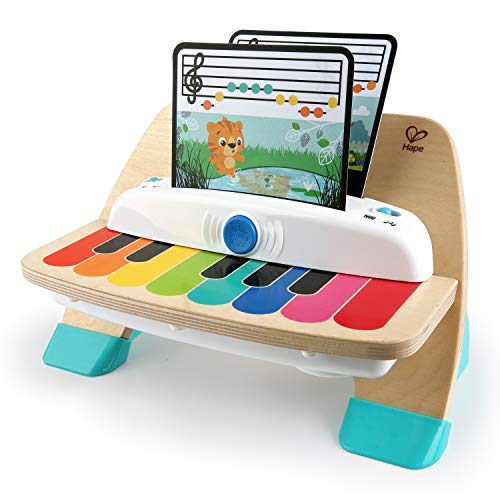
This Montessori-inspired toy uses touch-responsive magic to produce music, encouraging tactile exploration. Included are three music sheets and six songs, with color-coded notes to match keys. There are two modes: create original tunes or play familiar melodies. Volume control allows for quieter playback in shared spaces, while higher-quality speakers ensure clear sound at any volume, supporting focused listening and early rhythm skills.
B. toys – Mini Maestro Wooden Toy Piano

Designed for toddlers, this color-coded 25-key instrument spans two octaves and includes a Music button that plays classical pieces. The keys are labeled with notes A through G to support early music literacy, and an illustrated songbook provides six songs that pair with the wooden frame for hands-on practice. It’s a compact, durable option that promotes fine motor development and early musical familiarity through structured play.
Oprala 2 in 1 Baby Piano Xylophone

This dual-mode toy combines a colorful xylophone with a simple piano keyboard. The bars and keys are color-coded for easy distinction, and each bar has a number label to support early math concepts. Made from non-toxic ABS plastic with smooth edges, it’s safe for babies and toddlers, and the included hammer offers additional tactile play, aiding hand-eye coordination and rhythm development.
Fisher-Price Baby Playmat Glow & Grow

This multi-stage activity gym features a removable piano with five light-up keys and four musical settings, plus a developmental path that scales with the child’s growth. With Smart Stages learning levels and 85+ songs, sounds, and phrases, the gym supports early color, number, and animal sound recognition. The piano detaches for portable play, making it a versatile option for newborns through infants who start exploring music during tummy time and seated play.
Buying Guide: Key Purchase Considerations
- Age appropriateness: Confirm the recommended age range to ensure safety and optimal developmental benefits. Some toys start as newborn-friendly while others suit older infants or toddlers.
- Durability and materials: Look for sturdy wood or BPA-free plastic with smooth edges. Toys should withstand drooling, teething, and rough handling.
- Sound and volume: Consider toys with adjustable volume or built-in volume controls to protect hearing in quiet or shared spaces.
- Learning features: Decide whether you want touch-activated sounds, light-up cues, color/shape recognition, or songbooks to support early literacy and music concepts.
- Portability and storage: Removable components and compact designs help with travel and organization in small living spaces.
- Maintenance: Check for easy-to-clean surfaces and whether batteries are included or require frequent replacement.
- Educational balance: Choose a mix of modes—free play for creativity and guided modes for targeted learning like numbers, colors, and instrument sounds.
- Safety standards: Ensure compliance with child-safety standards and avoid small detachable parts for younger babies.