Choosing effective toys for a 7-year-old with autism involves prioritizing sensory engagement, safety, and skill-building. The following selections combine tactile, visual, and movement-based play to support focus, coordination, and self-regulation. Each item is chosen for its potential to soothe, entertain, and stimulate in classroom or home environments.
| Product | Key Benefit | Age Suitability | Core Feature |
|---|---|---|---|
| Scientoy Fidget Toy Set | Large set for diverse sensory play | 7+ | 35 pieces, motion timer, squeeze toys |
| 21″ Spinning Chair | Vestibular input and balance training | 3-12 | Multi-position use, sturdy base |
| Musical Light Up Wand | Visual and auditory sensory engagement | 3+ | Color-changing lights, looping melody |
| CUBIDI Rainbow Puzzle Ball | Color matching and problem-solving | 6+ | 12 holes, inside balls, color rings |
| Sensory Spinning Chair (Green) | Balance, core strength, coordination | 3-12 | Sturdy metal base, high weight capacity |
Below, five carefully selected products are explored in detail. Each section links directly to the product page and includes an image to help you assess fit for your child’s needs.
Scientoy Fidget Toy Set For Sensory Calm
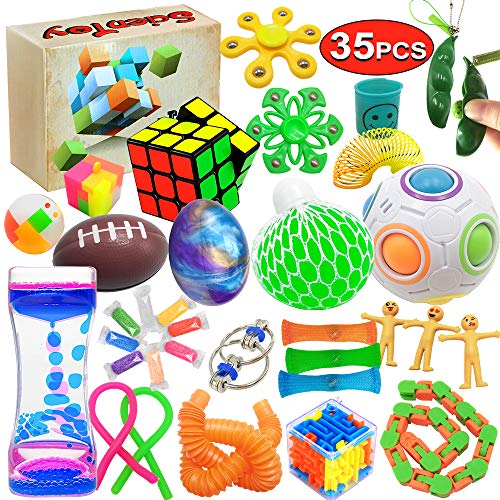
The Scientoy 35-piece sensory fidget set offers a wide range of tactile and visual stimuli suitable for children with autism or ADHD. The assortment includes a rainbow magic ball, a liquid motion timer, squeeze balls, mesh and marble fidgets, foam putties, and more. Built from ABS plastic and non-toxic materials, the kit adheres to recognized safety standards to provide a safe, engaging experience. With multiple ways to play—squeezing, stretching, flipping—this set supports calm focus, anxiety reduction, and classroom engagement through a variety of textures and motions. Gift-ready packaging makes it a thoughtful option for celebrations or rewards in learning environments.
Large Spinner Chair For Autistic Kids

Designed with input from pediatric occupational therapists, this 21-inch spinning chair provides vestibular input to support balance and motor coordination. The chair is usable while seated, kneeling, or lying down, expanding play options for sensory seekers. Crafted from premium PP material with a sturdy metal base, it can safely support active children. The rotating feature promotes core engagement and body awareness, helping to ease restlessness and improve focus during tasks. Its durability makes it suitable for both indoor and outdoor use, making it a versatile addition to a sensory toolbox.
Musical Light Up Wand For Sensory Play

The LoveHugs Musical Light Up Wand offers a multi-sensory experience, combining color-changing lights with soothing music. The rotating visual display captures attention and can calm a highly anxious child through predictable, rhythmic stimuli. The wand’s melody can provide a comforting auditory backdrop during therapy or downtime, potentially aiding in transition and imitation tasks. Its portable design makes it suitable for quiet corners, classroom corners, or therapy settings, offering an approachable way to engage a child who responds to both sound and light.
CUBIDI Rainbow Puzzle Ball
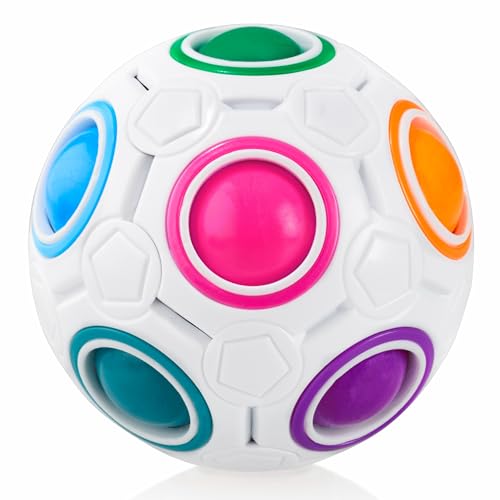
The CUBIDI Rainbow Puzzle Ball combines a color-matching challenge with an engaging tactile form. With 12 outer holes and 11 inner balls, children manipulate the balls to restore the color order around the ring. This game fosters visual discrimination, fine motor control, and cognitive problem-solving, which are beneficial for children with autism who enjoy structured puzzles. The ball’s bright colors and accessible weight provide a satisfying sensory experience that can help sustain interest during quiet play or learning centers.
NXONE 195-Piece STEM Construction Set
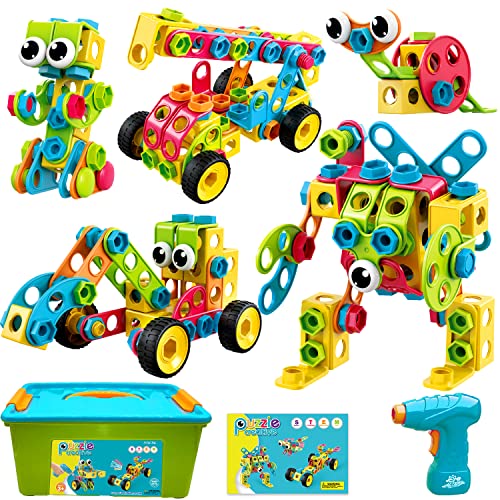
The NXONE 195-piece building set emphasizes STEM learning through hands-on construction. A storage box and kid-safe electric drill support imaginative play, teamwork, and collaborative problem-solving. The set is designed to develop hand-eye coordination, spatial reasoning, and logical thinking as children assemble models with guidance or independent exploration. All components are tested for safety, with considerations for age-appropriate complexity and durability, making it suitable for group play in classrooms or family sessions aimed at fostering creativity and practical engineering concepts.
Sensory Spinning Chair For Kids With Autism

HAPPYMATY’s Sensory Spinning Chair emphasizes motion-based calm and balance enhancement. A sturdy base and non-slip design support up to 220 pounds, enabling safe use by most children. The chair’s spinning feature delivers vestibular input that can improve core strength, grip, and body control. This makes it a practical option for sensory rooms, living spaces, or therapy spaces where ongoing physical activity complements cognitive tasks. The product aims to offer durable, kid-friendly sensory stimulation that aligns with therapeutic and educational goals.
Buying Guide: Key Purchase Considerations And Comparisons
When selecting toys for a 7-year-old with autism, consider how each product accommodates sensory needs, safety, and developmental goals. Here are essential factors to weigh:
- Sensory modality: Identify which senses your child responds to best—tactile, visual, auditory, or vestibular—and pick toys that align with these preferences.
- Safety and materials: Choose BPA-free, non-toxic materials with rounded edges. Check weight limits and construction quality for durability and safety in active play.
- Therapeutic value: Look for items that support regulation, attention, fine motor skills, or social-emotional learning, such as puzzles, manipulatives, or collaborative building sets.
- Portability and setup: For home or classroom use, assess how easy the toys are to store, transport, and integrate into routines or therapy sessions.
- Variety and progression: A mix of items with increasing complexity can help sustain interest and gradually challenge skills over time.
- Caregiver involvement: Select toys that allow adults to guide play, model behaviors, and reinforce positive engagement without creating frustration.
- Cost and value: Consider sets that offer multiple play options within one purchase, delivering long-term value for learning and sensory regulation.
- Environment compatibility: Some toys work better indoors, others outdoors; plan for the child’s most-used spaces to maximize usage and benefit.
In summary, the best options combine safe materials, varied sensory input, and opportunities to practice focus and motor skills. Pairing a rotation of these toys with consistent routines can support a child’s development while offering enjoyable, calming experiences.