Choosing the right toys can support a child’s emotional growth, helping them recognize, label, and manage feelings while building social skills. The following selected products provide engaging, development-focused options for homes and classrooms. Each item centers on emotional literacy, regulation, and cooperative play, making it easier for kids to learn through play.
| Product | Brand | Key Benefit |
|---|---|---|
| See My Feelings Mirror | hand2mind | Emotion labeling with real-life images |
| Big Feelings Pineapple Deluxe Set | Learning Resources | 40+ facial expressions for emotional understanding |
| Express Your Feelings Sensory Bottles | hand2mind | Individual emotion exploration and regulation |
| Color Sorting Sensory Toys | GYsomer | Color-emotion association and fine motor practice |
| Feelings Family Hand Puppets | hand2mind | Dramatic play for five core emotions |
These items were selected to cover a spectrum of approaches: visual emotion cues, hands-on manipulation, social interaction through play, and portable tools for on-the-go regulation. They are suitable for toddlers through early elementary ages, and they align with common social-emotional learning goals such as recognizing emotions, verbalizing feelings, and empathizing with others.
See My Feelings Mirror

The See My Feelings Mirror provides a mirror-based approach to emotional literacy. It uses six core emotions with easy-to-identify emoji slides that snap into place, helping toddlers label feelings with visual cues. The mirror design encourages self-recognition, allowing children to compare their expressions with those of others. This supports early social awareness and makes discussions about emotions a natural part of daily routines. Teachers and parents can pair this tool with guided questions to promote collaborative conversations about encountering emotions in everyday life.
Big Feelings Pineapple Deluxe Set

This deluxe set introduces more than 40 facial expressions through movable pieces, letting children explore how feelings appear in different situations. The double-sided design enables quick comparisons of contrasting emotions, which can deepen understanding and empathy. An added storage feature inside the pineapple keeps pieces secure when not in use, supporting organized, ongoing practice. This kit integrates well with classroom activities and home routines, encouraging playful exploration of emotional states and social cues.
Express Your Feelings Sensory Bottles

These sensory bottles offer a quiet, hands-on method for identifying and regulating emotions. Each bottle is designed with a distinct facial expression and color, representing a different feeling. Children shake, swirl, and rotate the bottles to observe how emotions shift with movement and stimuli. The activity supports mindfulness and self-soothing practices, making it a practical tool for calm-down corners and small-group time. It also provides a collectible aspect, as children can aim to complete the set of all expression bottles.
Color Sorting Sensory Toys
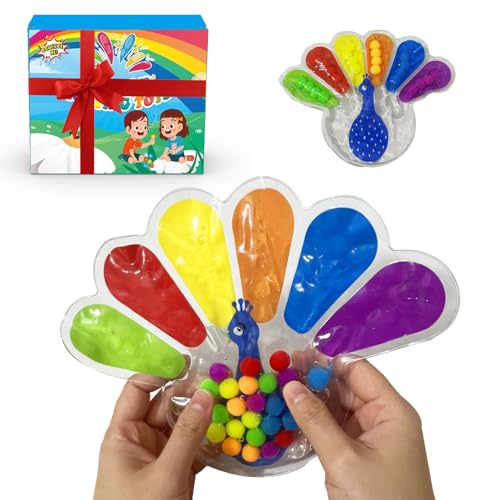
Color sorting toys pair cognitive development with emotional regulation. By associating colors with facial expressions like happy, angry, scared, and sad, children practice identifying emotions while refining sorting and sequencing skills. The tactile, soft materials offer a soothing sensory experience that can reduce anxiety during overstimulating moments. Its compact, kid-friendly design makes it ideal for travel or small-group activities, ensuring consistent access to emotional learning tools outside the classroom.
Feelings Family Hand Puppets

Hand puppets bring dramatic play into emotion learning. The Feelings Family puppets are designed to fit a child’s hand, enabling expressive demonstrations of five core emotions—happy, angry, surprised, sad, and scared. This tangible format supports social communication, turn-taking, and role-play, helping children articulate their feelings in a supportive setting. The soft textures and crinkle sounds add sensory richness, making the practice engaging and memorable for young learners and facilitating guided discussions with peers and adults alike.
Buying Guide
When selecting emotional development toys, consider the child’s age, the setting, and the intended learning outcomes. The following factors help ensure meaningful, age-appropriate use:
- Emotional scope: Look for tools that cover a range of emotions (basic five to six core emotions) and offer opportunities to compare and contrast feelings in different contexts.
- Mode of engagement: Visual cues (emojis, photos), tactile activities (puzzles, bottles), and social play (puppets, group activities) support diverse learning styles.
- Portability and setup: Compact, easy-to-store items are ideal for classrooms and at-home routines. Consider whether the toy supports quick transitions between activities.
- Durability and safety: Choose age-appropriate materials with sturdy construction and non-toxic components. Durable tools withstand repeated use in busy learning environments.
- Facilitation guidance: Toys that come with suggested questions or structured activities help adults lead conversations about emotions and social scenarios.
- Inclusivity: Select items that feature diverse representations of children and situations to promote empathy and belonging.
To maximize impact, integrate toys into a broader SEL plan that includes small-group discussions, role-play scenarios, and routine check-ins. Rotate tools to maintain interest and provide varied experiences, from quick “emotion checks” during transitions to longer, guided activities focused on interpreting feelings and responding empathetically. For homes, pair each toy with a short daily practice, such as a “feeling of the day” discussion or a calm-down routine after meals or bedtime. In classrooms, align activities with literacy, math, or social studies goals by creating emotion-based story prompts or collaborative tasks that require students to read facial cues and respond appropriately.