Parents and caregivers are turning to interactive, play-based tools to support speech and language development. This guide highlights five effective toys and learning aids designed to assist children with speech delays, autism, or language challenges. Each option combines engaging activities with multisensory learning to encourage verbal practice, listening, and expressive communication.
| Product | Brand | Key Benefit |
|---|---|---|
| Phoneme Phone | hand2mind | Phonemic awareness through amplified self-voice feedback |
| My Communication Cards | Amonev | Visual cues to reduce anxiety and support language growth |
| Communication Cards Ring Binder | Hidaya Prints | Portable tool for daily needs and feelings communication |
| Imitation Book | Twin Cities Speech Therapy Publishing | Early speech practice through guided imitation |
| Toddler Talking Flash Cards | Aullsaty | 248 sight words with engaging auditory prompts |
Phoneme Phone For Phonemic Awareness
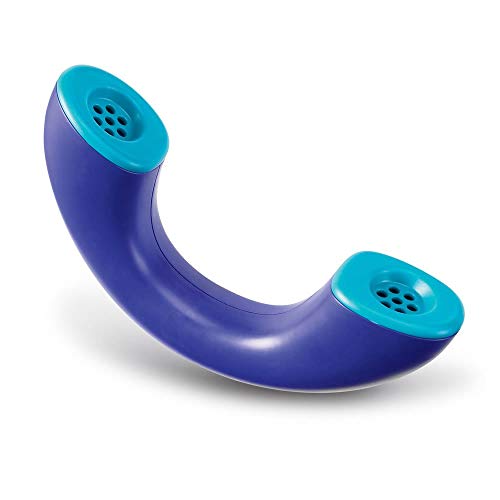
The hand2mind Phoneme Phone is designed to boost phonemic awareness through interactive listening and pronunciation activities. Students speak into a “receiver” and hear their voice amplified in their own ear, creating a multisensory learning loop. This tool supports English as a second language learners and helps address common speech issues by reinforcing sound-letter connections in a tangible way. The device also integrates well with reading-to-print activities, promoting a cohesive approach to language development.
My Communication Cards For Special Ed
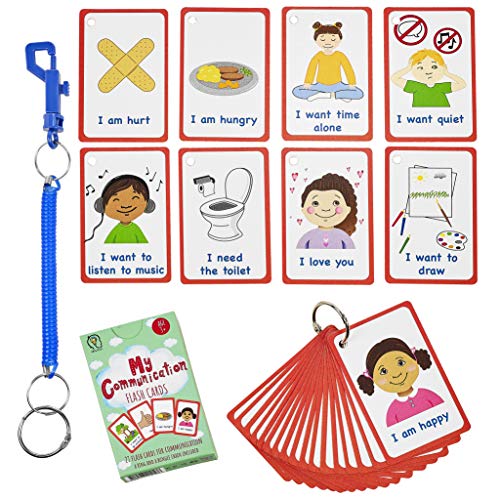
Amonev’s My Communication Cards are a compact set of illustrated flash cards designed to support language development. Clear visuals and concise wording help reduce anxiety and build confidence as individuals expand their vocabulary and ability to express needs, preferences, and responses. This simple, effective tool can be used in daily routines, therapy sessions, and classroom settings to encourage interaction and turn-taking in conversations.
Non-Verbal Communication Cards Pack

Hidaya Prints offers a practical, portable set of 60 picture words across 30 double-sided cards, organized in a handy ring binder. The cards cover essential daily needs and emotions, making them ideal for non-verbal individuals who rely on visual cues to communicate. The compact size (75 x 75 mm) supports on-the-go use, enabling quick references in various environments—from home to therapy sessions.
Imitation Book: Learn To Talk

This interactive board book from Twin Cities Speech Therapy Publishing focuses on imitation as a foundational skill for speech. Designed for toddlers and early learners, the book guides children through modeled phrases and repetition, supporting expressive language development. Written with input from speech therapists, it provides a structured, age-appropriate pathway to begin speaking and building confidence in communication.
Toddler Talking Flash Cards With 248 Words

Aullsaty’s Toddler Talking Flash Cards offer a comprehensive set of 248 sight words across 14 subjects. The system uses a cat-reader device that enunciates words with a clear American accent, accompanied by sound effects. The cards promote auditory-visual reinforcement and are well-suited for autistic children and speech therapy sessions, supporting both vocabulary expansion and rapid recall through repetition and interactive play.
Joyreal AAC Device With 24 Buttons

Joyreal’s AAC Device for autism features 24 pre-installed instructions plus 6 programmable buttons. The device supports personalized communication by recording user-specific phrases, voices, and sounds. An adjustable volume and portable design make it suitable for varied environments, from classrooms to home settings. The device aims to reduce frustration for non-verbal individuals while enabling more expressive communication across daily activities.
QuTZ ABC Talking Flash Cards

QuTZ ABC Talking Flash Cards provide an interactive approach to early literacy with 124 double-sided cards, totaling 248 learning topics. The set covers letters, numbers, shapes, colors, and basic vocabulary, with a built-in reader that pronounces words. The design emphasizes hands-on learning and controlled screen time, while a rechargeable battery and adjustable volume support flexible use in different settings.
Buying Guide: Key Purchase Considerations
- Age and developmental stage: Choose products aligned with the child’s current language level and attention span. Start with simple, highly visual cards and expand to more complex word lists as progress occurs.
- Communication needs: For non-verbal or minimally verbal children, look for devices with visual prompts, audio playback, and customizable prompts to match daily routines.
- Multisensory learning: Toys that combine sound, visual cues, and hands-on interaction help reinforce language through multiple channels, aiding retention and recall.
- Portability and durability: Portable tools support learning across home, school, and therapy settings. Durable cards and robust devices withstand frequent handling by young children.
- Therapy alignment: Tools should complement existing speech-language therapy goals, offering structured practice without replacing professional guidance.
- Ease of use: Prioritize intuitive interfaces, especially for younger children or first-time users, to encourage independent exploration and reduce frustration.
- Social and emotional support: Cards that express emotions and everyday needs help children participate in social interactions and reduce anxiety during communication.
- Parental involvement: Look for products with clear prompts for caregivers, including suggested activities and progression tips to maintain consistency at home.
- Budget considerations: A mix of low-cost flash cards and feature-rich devices can provide a balanced approach; prioritize tools with evidence-based benefits and user reviews.
- Safety and accessibility: Ensure materials are age-appropriate, non-toxic, and accessible for children with varying motor abilities.
All listed products are designed to support speech and language development through structured practice, visual cues, and interactive feedback. When selecting tools, consider a blended approach that combines auditory, visual, and hands-on activities to build confidence and encourage verbal participation.