Wiggle stools offer flexible seating that helps students stay engaged while satisfying the need for movement. This guide highlights top options for classrooms and study spaces, emphasizing adjustability, durability, and ease of use. Each pick supports active learning through subtle movement, improving focus without major distractions for teachers. Below is a quick overview of five standout products to consider, followed by detailed sections and a practical buying guide.
| Product | Brand | Seat Height Range | Key Benefit |
|---|---|---|---|
| Storex Wiggle Stool – Violet | Storex | 12 – 18 inches | Tamper-proof adjustability; easy transport |
| GoSports 18 Inch Wobble Chair | GoSports | 18 inches | 360-degree movement; sensory-friendly |
| Bouncyband Wiggle Wobble Chair Feet | Bouncy Bands | Accessory for standard chairs | Transforms standard chairs into wobble seats |
| ECR4Kids ACE Active Core Engagement Wobble Stool | ECR4Kids | 18 inches | Core engagement; versatile for spaces |
| Simplay3 14″ Play Around Wiggle Chairs (2-Pack) | Simplay3 | 14 inches | Age-appropriate wobble design; focus support |
Storex Violet Wiggle Stool — 12-18″ Height

The Storex Violet Wiggle Stool provides adjustable seating between 12 and 18 inches, enabling quick changes to fit a growing classroom. Its compact design helps students move between tasks without leaving their desks. Integrated handles simplify transport between centers or rooms, making it ideal for flexible classroom layouts. Tamper-proof height adjustments help maintain consistent seating levels throughout the day, reducing distractions while preserving movement benefits.
Storex Wiggle Stool — Black 12-18″ Height

This model mirrors the Violet variant with adjustable seating from 12 to 18 inches and features integrated carrying handles. The tamper-proof height mechanism is designed to minimize interruptions, while the compact frame supports mobility within small group work areas. Suitable for classrooms or home study spaces, the black stool offers a neutral option that blends with varied décor and furniture styles.
GoSports 18 Inch Wobble Chair — Sensory Stool

The GoSports 18 Inch Wobble Chair supports 360-degree movement, encouraging natural fidgeting that can boost focus for some students. Its textured footrest adds sensory feedback and helps with posture during seated tasks. Crafted from durable HDPE with a non-slip base, this stool supports up to 120 lb and includes built-in handles for easy relocation within classroom zones or home study corners. It’s especially helpful for kids around 8-12 years old who benefit from active seating.
Storex Teal Wiggle Stool — 12-18″ Height

The Teal variant of the Storex Wiggle Stool mirrors the other adjustable models, with a 12-18 inch seating range and user-friendly handling. The design focuses on easy transport and distraction-free height adjustments to support teachers during class transitions, group work, and independent tasks.
Bouncyband Wiggle Wobble Chair Feet

The Bouncyband Wiggle Wobble Chair Feet convert standard classroom chairs into wobble seats, inviting gentle, continuous movement. This accessory is designed to promote focus by enabling subtle rocking, which can help manage energy and reduce restlessness. It emphasizes ongoing movement without requiring students to switch furniture, making it a practical enhancement for any classroom with basic chairs.
ECR4Kids ACE Active Core Engagement Wobble Stool

The ECR4Kids ACE Active Core Engagement Wobble Stool encourages movement as a core engagement strategy. Its 18-inch seat height supports a dynamic seating posture, helping students develop core strength and balance while remaining engaged in classroom activities. The stool’s lightweight build makes it easy to rearrange spaces for group work, libraries, or home learning environments, supporting collaborative or individual tasks with mobility in mind.
Simplay3 14″ Wiggle Chairs (2-Pack) — Blue
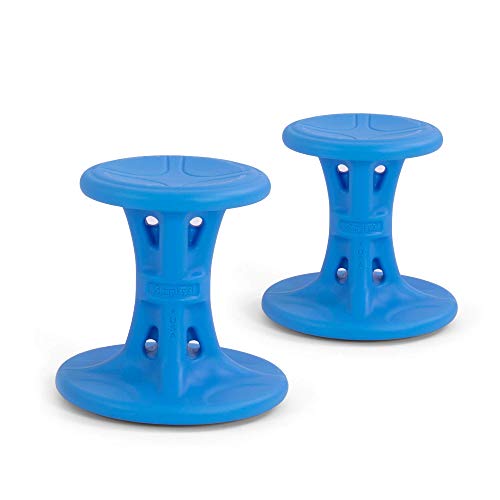
The Simplay3 Play Around Wiggle Chairs come in a 14-inch height, designed for younger students aged 5-8. The rounded seat with sensory dots provides a steady grip and helps maintain posture during activities. This two-pack supports small-group tasks or classroom centers, aligning with inclusive learning approaches for early elementary settings and at-home use.
Buying Guide: Key Purchase Considerations
- Age and height range: Choose stools with seat heights appropriate for the majority of your students. Taller stools may not suit younger kids, while shorter options can limit assistance for older students.
- Movement level: Consider whether you want a full wobble stool, a chair foot accessory, or a seat with a gentle tilt. Some students benefit from more movement, while others require a subtler nudge.
- Durability and materials: Look for sturdy, non-slip bases and durable plastics or composite materials that withstand daily classroom use and easy cleaning.
- Portability: If you frequently rearrange seating or move between rooms, prioritize lightweight designs with handles or easy carrying features.
- Safety and weight limits: Verify weight capacities and ensure edges are smooth to minimize injuries. A non-slip base is essential for stable setup on various floors.
- Maintenance: Choose stools with simple assembly and easy wipe-clean surfaces to reduce upkeep in busy learning environments.
- Budget and space: Compare unit costs and available floor space. Some options are stand-alone stools, while others transform existing chairs into wobble seating.
- Accessibility and inclusivity: Consider options that accommodate students with mobility needs or sensory processing differences, offering varied textures and movement levels.
- Teacher workflow: Assess how the seating affects transitions, group work, and instruction delivery. Flexible seating should complement teaching strategies, not hinder them.
Wiggle stools and wobble chairs provide measurable benefits in active learning scenarios. When selecting products, prioritize options that align with classroom goals, student needs, and logistical constraints. The picks highlighted above offer a spectrum of heights, movement styles, and portability to support a range of instructional approaches.